


Manifestations of Lower Limb Arteriosclerosis

As people age, their risk of developing cardiovascular diseases increases. Many elderly individuals suffer from arteriosclerosis. Common causes of arteriosclerosis include hypertension, diabetes, and physical inactivity, which may lead to symptoms such as chest tightness and dizziness. So, what are the manifestations of arteriosclerosis in the lower limbs?
Manifestations of Lower-Limb Arteriosclerosis
Symptoms of lower-limb arteriosclerosis include numbness, coldness, and pain in the lower extremities. This condition represents a localized manifestation of systemic arteriosclerosis in the lower limbs. Its primary risk factors are closely associated with aging, smoking, diabetes, hypertension, and hyperlipidemia. It predominantly affects middle-aged and older adults over 40 years of age—especially men. When blood supply to the limbs becomes insufficient, neurological symptoms—including coldness, pain, and numbness—typically appear first. As the disease progresses, intermittent claudication may develop: patients experience heaviness or discomfort in the lower limbs after walking for a certain distance, which subsides with rest, allowing them to resume walking.
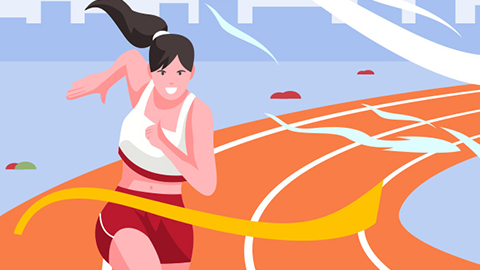
Patients with arteriosclerosis should also maintain regular, appropriate physical exercise. For instance, engaging in manageable daily physical activities can help strengthen the body and promote overall health. Individuals who sit for prolonged periods should pay particular attention to increasing physical activity to prevent obesity, which may exacerbate arteriosclerosis. Regular aerobic exercises—such as swimming, running, brisk walking, or practicing Tai Chi—are also recommended. Obese patients may benefit from combined dietary modifications and exercise to achieve weight loss.
Patients are advised to follow a light, low-fat diet and seek timely medical evaluation and treatment upon noticing any bodily discomfort. We hope this information has been helpful to you.


