


What Causes Night Sweats in Women?

Excessive night sweats trouble many individuals. Night sweats typically refer to profuse sweating during sleep that ceases upon waking. Generally, this condition indicates suboptimal health; women—whose physical resistance tends to be relatively weaker—are especially vulnerable, and night sweats can be particularly detrimental for married women who are either not yet pregnant or actively planning pregnancy. So, what causes night sweats in women?
What Causes Night Sweats in Women?
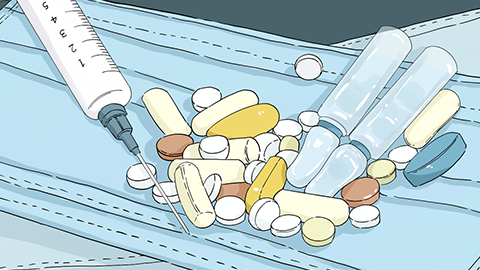
Night sweats in women commonly stem from internal heat due to yin deficiency of the liver and kidneys—a condition frequently observed during menopause. For management, patients may first consider herbal formulas under a physician’s guidance, such as Liu Wei Di Huang Wan (Rehmannia Six Formula), Zhi Bai Di Huang Wan (Anemarrhena and Phellodendron with Rehmannia Six Formula), Da Bu Yin Wan (Great Yin-Enriching Pill), Zuo Gui Wan (Left-Returning Pill), Qi Ju Di Huang Wan (Lycium and Chrysanthemum Rehmannia Six Formula), or Gui Shao Di Huang Wan (Cinnamon Twig and Peony Rehmannia Six Formula). For menopausal women, additional options—also under medical supervision—include Geng Nian Wan (Menopause Pill), Ding Kun Wan (Stabilizing the Female Essence Pill), and Kun Bao Wan (Female Treasure Pill).
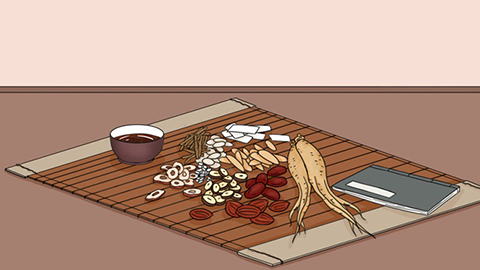
Alternatively, herbs such as *Polygonatum odoratum* (Yuzhu), *Dendrobium officinale* (Tiepi Shihu), *Lycium barbarum* (Gouqi), *Ophiopogon japonicus* (Maidong), and *Ligustrum lucidum* (Nvzhenzi) may be brewed into a soothing tea. Second, maintain a light, balanced diet—avoid excessive consumption of cold or sticky foods. Incorporate high-fiber vegetables like radishes and cabbage, as well as nourishing yin-rich dishes such as Chinese yam and goji berry congee, or tremella and lotus seed soup. Regular, moderate outdoor exercise is also beneficial—though strenuous activity causing heavy sweating should be avoided. Gentle practices such as Tai Chi or Baduanjin (Eight Brocades) are excellent choices.
Patients are advised to maintain healthy lifestyle habits: eat lightly, avoid spicy or irritating foods, and refrain from staying up late. We hope this information proves helpful.


