


The characteristic manifestation of pneumococcal pneumonia is

With the development of modern society and increasing life stress, people’s physical health has become increasingly fragile, making pneumonia one of the most common illnesses.
What are the characteristic manifestations of pneumococcal pneumonia?
The hallmark clinical feature of pneumococcal (Streptococcus pneumoniae) pneumonia is the production of rusty-colored sputum. This “rusty sputum” is a classic symptom that helps distinguish pneumococcal pneumonia from other types of pneumonia. In contrast, patients with Staphylococcus aureus pneumonia may cough up purulent, blood-tinged sputum; those with Klebsiella pneumoniae infection may produce gelatinous, brownish-red sputum; Pseudomonas aeruginosa pneumonia typically presents with bluish-green purulent sputum; anaerobic bacterial pneumonia often yields foul-smelling sputum; fungal pneumonia is commonly associated with mucoid sputum; and most cases of Mycoplasma pneumoniae infection present with a dry, non-productive cough.
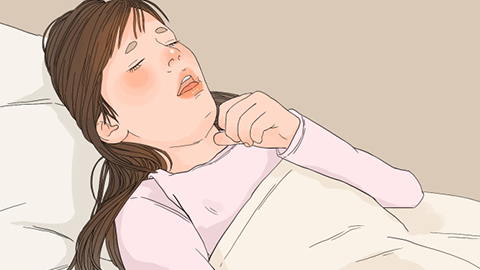
Pneumococcal pneumonia is caused by Streptococcus pneumoniae (also known as pneumococcus) and accounts for over half of all community-acquired pneumonia cases. Radiologically, it typically manifests as acute inflammatory consolidation involving one or more pulmonary segments or lobes. Clinically, patients commonly present with chills, high fever, pleuritic chest pain, cough, and blood-tinged sputum. However, in recent years—due to widespread antibiotic use—milder or atypical presentations have become increasingly common in clinical practice. The pathogen usually reaches the lungs via inhalation through the upper respiratory tract, colonizes the bronchioles, multiplies, and triggers inflammation. It subsequently induces the accumulation of large amounts of protein-rich fluid within the alveolar spaces. This fluid serves as an ideal culture medium, facilitating bacterial spread to adjacent alveoli.
In daily life, maintaining a healthy diet and regular sleep schedule is essential for preserving overall health. We hope this information is helpful to you.


