


How to Regulate a Body with Yin Deficiency and Excess Fire

Yin deficiency with hyperactive fire is a traditional Chinese medicine (TCM) concept. When this imbalance occurs, patients commonly experience symptoms such as irritability, dry mouth, insomnia with vivid dreams, facial and ear flushing, dizziness and headache, tinnitus, and hearing loss. If left unaddressed or improperly managed, it may place additional strain on the liver. So, how should one regulate the body when experiencing yin deficiency with hyperactive fire?
How to Regulate Yin Deficiency with Hyperactive Fire
Under the guidance of a qualified TCM practitioner, yin deficiency with hyperactive fire can be managed using herbal formulas such as Zhibai Dihuang Wan (Anemarrhena and Phellodendron Rehmannia Pill) or Liuwei Dihuang Wan (Six-Ingredient Rehmannia Pill). Dietary adjustments are also essential: consume fruits that nourish yin and moisten dryness—such as apples, oranges, kiwifruit, and grapes—as well as mulberries (for fluid generation and moistening), pomelos (for clearing heat and reducing fire), loquats (for resolving phlegm and relieving cough), and sugarcane (for resolving phlegm and relieving cough). Recommended vegetables include bitter melon, Chinese cabbage (especially the bitter variety), mustard greens, tomatoes (to cool blood and clear fire), lotus root (to stimulate appetite and clear heat), luffa gourd, and cucumber (to cool the body and detoxify). Herbal teas made from ingredients such as American ginseng, Ophiopogon tuber, Dendrobium stem, Polygonatum rhizome, and raw Rehmannia root may also be beneficial. Typical manifestations of yin deficiency with hyperactive fire include heat sensations in the palms, soles, and chest; tidal fever; night sweats; insomnia with frequent dreams; flushed complexion; dry, itchy, sore throat; and spontaneous sweating.

TCM treatment for yin deficiency with hyperactive fire primarily follows the principle of nourishing yin and subduing fire. Under professional guidance, herbal prescriptions may include ingredients such as turtle shell, Phellodendron bark, pig spinal cord, prepared Rehmannia root—or combinations like Phellodendron bark, Chinese yam, Alisma rhizome, Anemarrhena rhizome, Cornus fruit, prepared Rehmannia root, Poria, and tree peony bark. Importantly, patients must consult a licensed TCM practitioner for proper pattern differentiation before initiating any herbal therapy—self-medication is strongly discouraged. During treatment, avoid excessively cold, spicy, or greasy foods. Emphasize light, easily digestible meals; maintain regular work-rest schedules; avoid overwork and late-night activity, which deplete vital essence; and abstain from smoking and alcohol consumption.
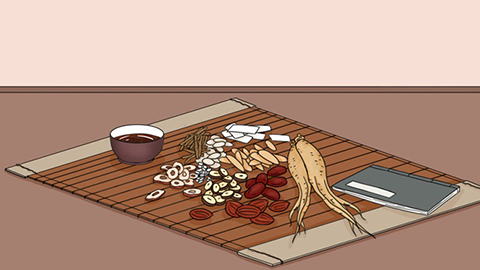
Patients are advised to maintain healthy lifestyle habits, follow a light diet, avoid spicy and stimulating foods, and ensure adequate, high-quality sleep each day. We hope this information proves helpful.


