


What Causes Hemorrhoids?

Hemorrhoids are actually categorized into internal and external types. Patients with external hemorrhoids may easily experience bleeding at the hemorrhoidal site during defecation, especially if excessive straining occurs. In severe cases—such as during menstruation in women—patients may feel particularly anxious or fearful. So, what causes hemorrhoids?
What Causes Hemorrhoids?
Hemorrhoids are a common condition in proctology, frequently occurring in individuals with poor lifestyle and dietary habits. The primary causes include consumption of excessively spicy or stimulating foods, leading to internal accumulation of damp-heat, which in turn triggers constipation and rectal bleeding. Alternatively, irregular bowel habits—such as chronic constipation or diarrhea—can cause mechanical injury to the anorectal region, predisposing it to infection and subsequent hemorrhoid development. For patients whose daily life remains unaffected, conservative management is recommended: improving dietary and lifestyle habits, establishing regular bowel habits, and performing regular pelvic floor (Kegel) exercises. However, if prolapsed hemorrhoids develop necrosis or infection, prompt referral to a proctology department for surgical intervention—such as external excision combined with internal ligation—is essential.
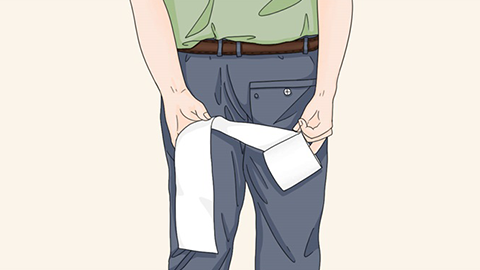
Constipation must be addressed promptly, as it is a major precipitating factor for hemorrhoids. Increase fluid intake and consume more vegetables, fruits, and other high-fiber, coarse-fiber foods. If the patient does not have diabetes, honey water may be consumed in moderation. If no bowel movement occurs for over three days, stool-softening medications may be considered. Individuals who sit or stand for prolonged periods should take regular breaks to stand up and walk, avoiding extended immobility in either position. During acute exacerbations, opt for soft or liquid foods—such as congee or lotus root starch—to minimize strain on the anorectal area.
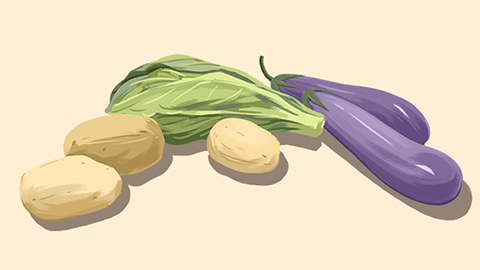
Patients are advised to cultivate healthy lifestyle habits, avoid spicy and irritating foods, and quit smoking while limiting alcohol consumption. We hope this information proves helpful.


