


Is chronic sigmoiditis-proctitis serious?

The severity of chronic sigmoidocolitis and proctitis varies depending on the individual’s condition. When present in isolation, chronic sigmoidocolitis and proctitis are generally not severe; however, the condition may become more serious if accompanied by intestinal polyps. Prompt medical consultation and treatment under a physician’s guidance are strongly recommended. A detailed analysis follows:
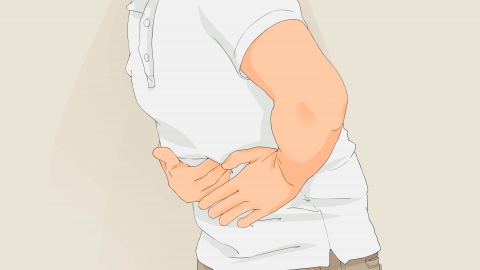
When chronic sigmoidocolitis and proctitis occur alone, the condition is typically not considered severe. Patients may experience symptoms such as nausea, vomiting, diarrhea, abdominal distension, abdominal pain, tenesmus, constipation, and mucoid or bloody stools. Although these symptoms cause discomfort, they are generally not life-threatening. In such cases, antibiotics prescribed by a physician—such as amoxicillin capsules, roxithromycin tablets, or azithromycin capsules—may be used to help reduce inflammation.
When chronic sigmoidocolitis and proctitis coexist with intestinal polyps, treatment becomes comparatively challenging, and the disease may be more severe. The presence of polyps increases the risk of malignant transformation; therefore, close monitoring and timely intervention are essential. Under medical guidance, surgical resection—such as proctectomy—may be indicated to remove the affected tissue and restore normal intestinal function.
During recovery, patients should adopt healthy lifestyle habits, primarily consuming light, easily digestible meals and avoiding strenuous physical activity to facilitate healing.


