


What medications are effective for cerebral arteriosclerosis?

Individuals with the “three highs” (hypertension, hyperlipidemia, and hyperglycemia), those who smoke or drink alcohol frequently, and those under excessive stress are at increased risk of developing cerebral arteriosclerosis. Once diagnosed, prompt and active treatment is essential. So, what medications are effective for cerebral arteriosclerosis?
What Medications Are Effective for Cerebral Arteriosclerosis?
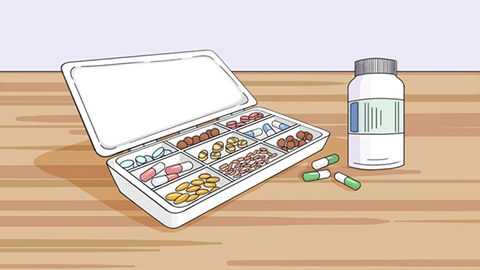
Patients with cerebral arteriosclerosis may benefit from Western medications such as piracetam—a cerebral activator—to alleviate symptoms; they may also appropriately use traditional Chinese medicine (TCM) to improve clinical manifestations. First, statins are commonly prescribed, including atorvastatin calcium tablets, simvastatin tablets, and rosuvastatin calcium tablets. Long-term medication is required upon diagnosis of cerebral arteriosclerosis. Liver function must be reassessed within the first two months of treatment; if transaminase levels rise significantly, drug therapy should be discontinued. Second, TCM treatment primarily follows the principle of syndrome differentiation and treatment, selecting appropriate herbal formulas tailored to the individual patient’s condition. Cerebral arteriosclerosis is an independent risk factor for cardiovascular and cerebrovascular diseases; therefore, its occurrence warrants immediate attention. Following diagnosis, disease progression can be prevented through appropriate pharmacotherapy, exercise therapy, and other interventions.
Cerebral arteriosclerosis refers to a group of chronic cerebral disorders—including neurasthenic syndrome, arteriosclerotic dementia, and pseudobulbar palsy—resulting from multiple cerebral infarctions, softening, necrosis, and atrophy secondary to arterial hardening. Lipid deposition and intimal injury lead to accumulation of platelets, fibrin, and other substances on the damaged vascular intima. This triggers proliferation of connective tissue in the vessel wall, impairing normal blood circulation and oxygen delivery, thereby causing non-acute, diffuse cerebral tissue changes and neurological dysfunction. Emphasis should be placed on enhancing physical activity and regular exercise to reduce lipid deposition in blood vessels, increase fibrinolytic enzyme activity, and promote weight loss. Therefore, individuals should consistently engage in household chores and physical exercise within their capacity.
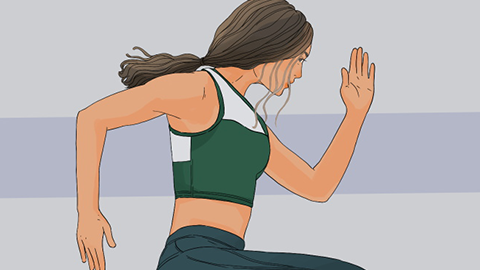
In daily life, individuals should maintain regular physical activity, regulate emotions, control dietary intake, promptly treat underlying conditions, and modify unhealthy habits. We hope this information proves helpful to you.


