


Does onychomycosis (gray nail) cause pain?
Aug 01, 2022
Source: Cainiu Health

Dr. Liu Wan
Introduction
Onychomycosis (gray nail) typically does not cause pain. It is primarily caused by fungal infection and should be treated promptly under a physician’s guidance with antifungal topical agents—such as butenafine hydrochloride cream—combined with systemic antifungal medications like itraconazole or fluconazole. Onychomycosis is a relatively common condition, mainly resulting from fungal infection of the skin; following onset, pathological changes may occur in the nail plate or subungual tissues.
Onychomycosis (commonly known as “gray nail”) can cause nail cloudiness, discoloration, atrophy, and an uneven or irregular nail surface. Symptoms may vary among individuals. So, does onychomycosis cause pain?
Does onychomycosis cause pain?
Onychomycosis typically does not cause pain. It is primarily caused by fungal infection. For onychomycosis, prompt treatment under a physician’s guidance is recommended—topical antifungal agents such as butenafine hydrochloride cream, combined with systemic antifungals like itraconazole or fluconazole.
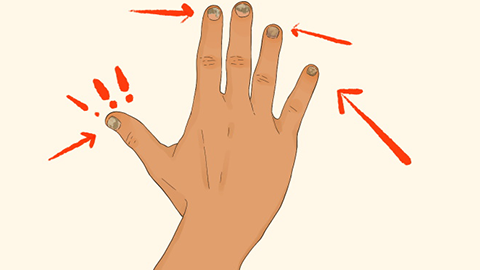
Onychomycosis is a relatively common condition, mainly resulting from dermatophyte or other fungal infections of the skin. Following infection, pathological changes may occur in the nail plate or subungual tissues, manifesting as surface irregularities, nail thickening, and discoloration. Typically, patients do not experience pain or pruritus (itching). However, in severe cases—particularly when marked nail thickening or deformity develops—wearing ill-fitting shoes may lead to localized pressure and resultant discomfort or pain.
Onychomycosis is contagious; therefore, patients should modify unhealthy lifestyle habits. Avoid sharing personal items—such as slippers or towels—with family members. Additionally, refrain from wearing overly tight footwear and avoid trauma or excessive pressure on the nails. Regular nail trimming is also advised—nails should not be allowed to grow excessively long. We hope this information proves helpful!


