


What should I do about chronic low blood pressure?

Chronic hypotension can cause significant harm to the body, adversely affecting both daily life and work performance. So, what should one do about chronic hypotension?
What to Do About Chronic Hypotension
The management of hypotension depends on how low the blood pressure actually is. If an individual consistently has low blood pressure but remains asymptomatic, repeated intravenous (IV) fluid therapy is generally unnecessary. Instead, increasing oral fluid intake—such as drinking lightly salted water or sugar water—is recommended. For patients requiring IV access, most peripheral veins are suitable for cannulation. However, prolonged IV catheter use may lead to venous complications, including phlebitis and venous sclerosis. In younger patients, dietary adjustments alone may be insufficient; supplementation with normal saline or medications such as Shengmai Yin oral solution may be considered. Additionally, regular physical exercise and evaluation for anemia are essential components of daily management.
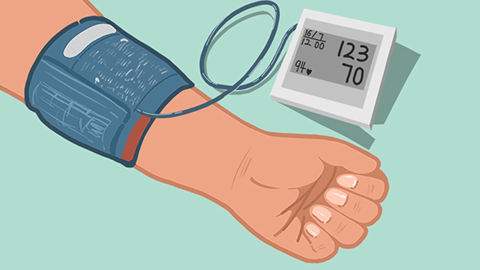
For chronic hypotension, the first step is to identify the underlying cause, followed by targeted treatment. Daily dietary habits should also be carefully monitored. A varied diet is encouraged, but overeating should be avoided, as excessive food intake may reduce peripheral blood flow. Moderate consumption of tea or alcohol may enhance cardiac and vascular excitability. Foods rich in sodium and cholesterol—including fish, liver, eggs, pork bones, and milk—can be consumed regularly, as they help elevate serum cholesterol levels and arterial tone, thereby supporting blood pressure elevation.
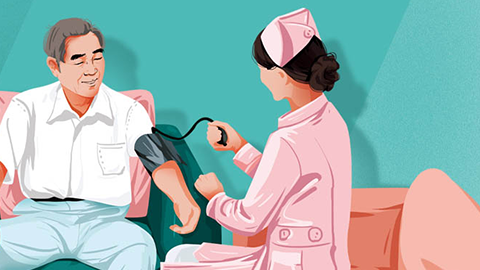
Individuals with hypotension should avoid smoking and limit alcohol intake. They should actively engage in physical exercise to improve overall fitness, increase nutritional intake, drink ample water and soups, and consume slightly more salt and fat than the general population. We hope this article proves helpful to you!


