


Symptoms of Uterine Diverticulum

For women, uterine diverticulum is a relatively serious condition that can affect menstruation and even fertility. So, what are the symptoms of uterine diverticulum?
Symptoms of Uterine Diverticulum
Uterine diverticulum—also known as cesarean scar diverticulum—refers to a pouch-like defect that forms at the site of a previous cesarean section scar in the lower uterine segment. This scar tissue is structurally weaker than the surrounding normal myometrium. Due to this weakness, the scar may bulge outward, forming a pocket-like cavity that can retain menstrual blood, leading to prolonged or irregular vaginal bleeding (menorrhagia or menometrorrhagia). Surgical intervention is typically required, with hysteroscopic surgery being the most common approach: it involves resection of the diverticular “flap” or “valve.” Alternatively, minimally invasive procedures—including transvaginal or laparoscopic diverticulectomy and repair—may also be performed.
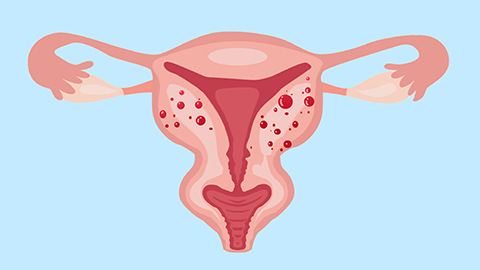
Typical manifestations of uterine diverticulum include increased menstrual flow, menstrual cycle irregularities, and postcoital bleeding. Uterine diverticula are classified into two types: congenital and acquired. Congenital diverticula result from embryonic developmental abnormalities, whereas acquired diverticula usually arise following gynecological surgeries—particularly cesarean delivery—and are associated with endometrial injury or implantation of endometrial tissue at the surgical incision site (i.e., endometriosis of the cesarean scar).

Uterine diverticulum most commonly develops due to inadequate postoperative care following cesarean delivery. After surgery, it is essential to maintain cleanliness around the incision site and allow adequate rest—avoiding excessive physical exertion. No special postoperative nursing is generally required; however, cultivating healthy lifestyle habits is highly recommended: avoid staying up late, ensure balanced nutrition, and maintain regular sleep patterns. We hope this article has been helpful to you!


