


Can anxiety disorder cause premature ventricular contractions (PVCs)?
Aug 01, 2022
Source: Cainiu Health

Dr. Li Man
Introduction
Anxiety disorder can cause premature ventricular contractions (PVCs). PVCs may arise from numerous causes, including excessive cerebral neuronal excitation, emotional agitation, mental stress, physical fatigue, or indigestion. Once the underlying cause is identified, active treatment is essential; managing contributing factors—particularly avoiding significant emotional fluctuations—is critical.
As life and work pressures continue to mount, people may develop symptoms of anxiety. Can anxiety disorder cause premature ventricular contractions (PVCs)?
Can anxiety disorder cause premature ventricular contractions?
Anxiety disorder can indeed trigger premature ventricular contractions (PVCs). PVCs have numerous potential causes, including excessive cerebral neuronal excitation or emotional agitation, mental stress, physical fatigue, and indigestion—all of which may precipitate PVCs. Once the underlying cause is identified, active treatment is essential. Addressing contributing factors—particularly avoiding extreme emotional fluctuations—is critical. Anxiety disorder itself induces emotional changes that may likewise provoke PVCs. Therefore, upon detecting PVCs, patients should first undergo electrocardiography (ECG), Holter monitoring (ambulatory ECG), and echocardiography to determine the type and frequency of PVCs and to assess for any underlying structural heart disease—information vital for formulating an appropriate treatment plan.

Patients with anxiety disorder may experience cardiac PVCs. Anxiety disorder typically manifests as unexplained anxiety, tension, worry, fear, insomnia, chest tightness, and palpitations. These symptoms disrupt normal neurotransmitter secretion, leading to endocrine and hormonal imbalances. Abnormal sympathetic nervous system activity—such as excessive norepinephrine release—can accelerate heart rate and induce arrhythmias, commonly presenting as atrial or ventricular premature beats, and occasionally even coupled ventricular premature beats. In many cases, Wenxin Keli (a traditional Chinese medicine formulation) may be used to help stabilize heart rhythm.
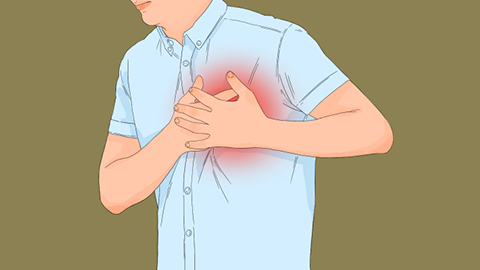
If PVCs are clearly linked to emotional factors, patients are advised to regulate their emotions, avoid tension, anxiety, and depression, maintain a healthy and positive mental state, and refrain from staying up late. Under such conditions, PVCs may resolve spontaneously. We hope this article has been helpful to you!


