


What Is Nail Fungus?

Onychomycosis—commonly known as “gray nail”—is a typical condition affecting both the appearance and health of nails. Although it typically causes no significant pain in daily life, it can still impair quality of life. So, what exactly is onychomycosis?
What Is Onychomycosis?
Onychomycosis, also termed tinea unguium, primarily manifests as nail damage. Affected nails may become thickened, rough, brittle, or detached; they may also develop depressions or grooves. Some patients develop fungal paronychia, characterized by redness, swelling, and warmth of the skin surrounding the nail. Diagnosis of onychomycosis is typically confirmed via fungal microscopy and fungal culture.

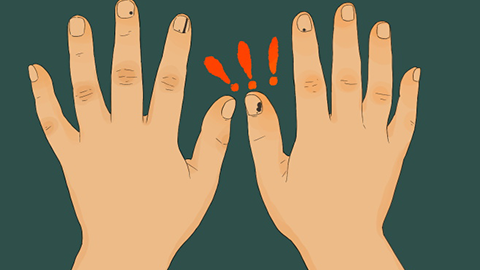
In early stages, onychomycosis commonly presents with irregular nail shape, a rough and uneven nail plate surface lacking luster, and whitish discoloration of the nail. As the disease progresses, nail color gradually darkens—often turning gray or black—while the nail plate becomes markedly thickened due to accumulation of necrotic keratin. Additionally, varying degrees of nail plate crumbling occur, eventually leading to partial or complete nail loss. Beyond cosmetic concerns, onychomycosis compromises nail health and poses a risk of transmission to others; therefore, prompt medical evaluation and treatment are essential.
Clinically, treatment options for onychomycosis include surgical nail avulsion, oral antifungal medications, topical antifungals, and occlusive therapy. Commonly prescribed oral agents include terbinafine tablets, itraconazole, and fluconazole. Topical treatments may include amorolfine solution or ciclopirox solution. We hope this information proves helpful!


