


What are the causes of swelling and pain in the gums at the back of the mouth?
Aug 01, 2022
Source: Cainiu Health

Dr. Zhang Liwen
Introduction
The most likely cause of swelling and pain in the gums of the posterior teeth is pericoronitis—commonly referred to as “vertical impaction”—where the third molar (wisdom tooth) erupts partially behind the second molar. As wisdom teeth are the last to emerge, modern diets rich in soft, refined foods, combined with evolutionary reduction in alveolar bone volume, often result in insufficient space for proper eruption. Consequently, wisdom teeth may become impacted, and their partially erupted position makes thorough cleaning during routine brushing extremely difficult.
Many people experience gum swelling and pain. When gums become swollen and painful, discomfort may occur not only during eating but also—especially in severe cases—while drinking water or even opening the mouth. So, what causes swelling and pain in the gums at the back of the mouth?
What Causes Swelling and Pain in the Back Gums?
The most common cause of swelling and pain in the gums behind the molars is pericoronitis—often referred to as “vertical tooth” inflammation—occurring around impacted wisdom teeth (third molars), which erupt behind the second molars. As wisdom teeth are the last teeth to emerge, modern dietary habits (involving softer, more refined foods) and evolutionary reduction in jawbone size often leave insufficient space for their proper eruption. Consequently, wisdom teeth may become partially or fully impacted, making them difficult to clean effectively during routine brushing. Food debris trapped around these teeth undergoes bacterial fermentation in the warm, moist oral environment, leading to bacterial proliferation, gingivitis, gum swelling and pain, and potentially even trismus (limited mouth opening). Initial management should focus on controlling the inflammation; once the gingival inflammation has resolved, surgical removal of the impacted wisdom tooth may be considered at a dental clinic or hospital.
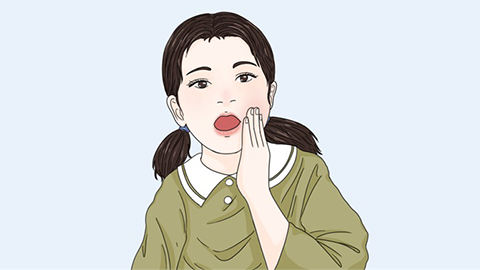
When experiencing pain in the posterior gums, patients may first attempt conservative self-care: adjusting work-rest balance and diet, and rinsing the mouth with warm saline solution. These measures may help alleviate mild, early-stage swelling and discomfort. However, if symptoms persist despite such adjustments, prompt consultation with a dental professional is recommended for professional cleaning and appropriate medication. Swelling and pain in the posterior gums—particularly in the lower jaw—are highly suggestive of pericoronitis associated with impacted mandibular wisdom teeth. Careful examination of the area may reveal signs of active wisdom tooth eruption.
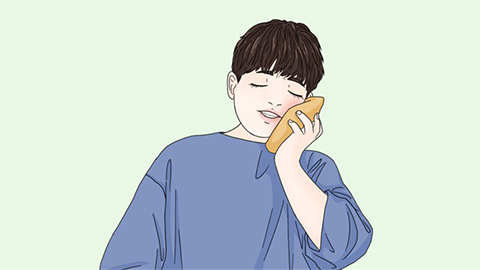
Patients should avoid staying up late and steer clear of spicy, irritating foods. Instead, they should consume easily digestible meals and maintain adequate hydration. We hope this information proves helpful.


