


Is hypotension prone to heatstroke?
Aug 01, 2022
Source: Cainiu Health

Dr. Li Man
Introduction
Individuals with hypotension are more prone to heatstroke, primarily because their systemic circulation is typically reduced compared to that of individuals with normal blood pressure. When they go outdoors during hot summer weather, profuse sweating causes peripheral vasodilation and increased peripheral venous capacitance, thereby increasing their susceptibility to heatstroke relative to individuals with normal blood pressure. Moreover, some individuals with low blood pressure have inherently weak constitutions and poor heat tolerance, rendering them especially susceptible to heatstroke.
As summer arrives, rising temperatures make the weather extremely hot and oppressive, particularly for outdoor workers. Many keep Huoxiang Zhengqi Water on hand to prevent heatstroke. But are individuals with hypotension more prone to heatstroke?
Are individuals with hypotension more prone to heatstroke?
Yes, individuals with hypotension are more susceptible to heatstroke. This is primarily because their systemic circulation is typically reduced compared to that of healthy individuals. When exposed to high summer temperatures outdoors, excessive sweating causes peripheral vasodilation and increased blood flow to the skin—factors that further compromise already diminished circulating blood volume, thereby increasing their risk of heatstroke relative to healthy individuals. Moreover, some individuals with low blood pressure have inherently weaker constitutions and poor heat tolerance, rendering them especially vulnerable to heatstroke.
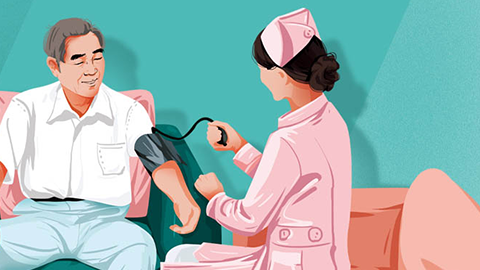
Individuals with hypotension exhibit delayed physiological responses to environmental changes, which may lead to impaired heat dissipation and subsequent accumulation of internal body heat—particularly dangerous during hot summer days when ambient temperatures soar, precipitating heatstroke. To reduce the risk of heatstroke, such individuals should avoid prolonged outdoor activity in high temperatures. Mild heatstroke commonly manifests as thirst, dizziness, and facial flushing; in severe cases, blood pressure may drop rapidly, potentially leading to multi-organ dysfunction and compromised circulation—further exacerbating hypotension.
Maintaining a positive mental state, engaging in appropriate physical exercise, and improving overall physical fitness can enhance neurovascular regulatory function and accelerate circulation. Elderly individuals should select suitable activities—such as tai chi, walking, or aerobics—based on environmental conditions and personal health status. Older adults with hypotension may benefit from drinking lightly salted boiled water each morning or consuming mildly salty foods, while also increasing overall fluid intake. We hope this information proves helpful!


