


What should I do if I am diagnosed with osteoporosis?

Osteoporosis is a more severe condition that can cause intense pain, significantly impair quality of life, lead to fractures, and trigger various complications—some of which may even be life-threatening. So, what should one do upon being diagnosed with osteoporosis?
What to Do After Being Diagnosed with Osteoporosis
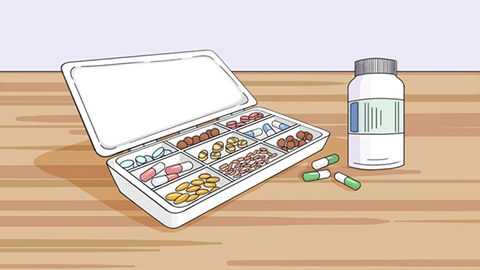
Vitamin D3 and calcium supplements may be used under medical supervision to ensure adequate calcium intake. These two agents are foundational medications for osteoporosis treatment and must be taken daily. Additionally, bisphosphonates may be prescribed alongside them—also under physician guidance—to inhibit osteoclast activity, thereby preventing excessive calcium loss and alleviating osteoporosis. Spending time outdoors in sunlight and engaging in regular physical exercise are also recommended. Sun exposure promotes vitamin D synthesis, facilitating calcium absorption; meanwhile, exercise enhances systemic circulation, improves calcium absorption and utilization, and helps delay skeletal aging. A nutritionally balanced diet rich in vitamin C and calcium—including soy products, eggs, milk, and other calcium-rich foods—is beneficial for both preventing and slowing the progression of osteoporosis.
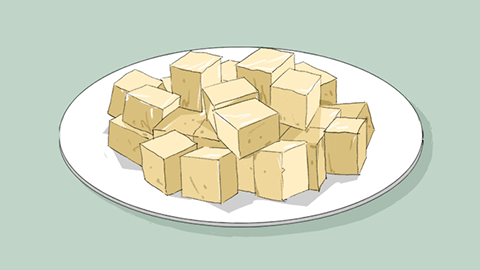
Osteoporosis can be managed through lifestyle modifications, pharmacotherapy, or—in select cases—surgical intervention. Patients should routinely adjust their dietary habits and daily routines, consuming more calcium- and vitamin-rich foods and ensuring appropriate outdoor physical activity. These measures support skeletal health. Patients should also avoid smoking, excessive alcohol consumption, and inappropriate use of medications. While calcium supplementation is commonly employed in osteoporosis management, monotherapy with calcium alone yields suboptimal results; therefore, comprehensive pharmacological treatment is often warranted.
Patients are advised to maintain healthy lifestyle habits, follow a light and balanced diet, avoid raw, cold, spicy, or otherwise irritating foods, and cultivate a positive emotional state. We hope this information proves helpful to you.


