


What Causes Breast Hyperplasia?
Aug 01, 2022
Source: Cainiu Health

Dr. Lv Aiming
Introduction
The etiology of mammary gland hyperplasia is associated with abnormal metabolism of estrogen and progesterone in the body, and the incidence is relatively higher among young and middle-aged patients. The pathological changes involve hyperplasia of mammary gland tissue—primarily around the mammary ducts—and are often accompanied by cyst formation. The typical symptom of mammary gland hyperplasia is cyclical breast distension and pain, especially premenstrually. Symptoms usually gradually subside after menstruation. On physical examination, hyperplastic nodules or masses are commonly detected.
Mammary gland hyperplasia is a relatively common breast disorder in recent years. In its early stages, patients typically exhibit no prominent symptoms; however, emotional stress or other triggers may induce breast pain and swelling. So, what causes mammary gland hyperplasia?
What Causes Mammary Gland Hyperplasia?
The etiology of mammary gland hyperplasia is closely associated with abnormal metabolism of estrogen and progesterone within the body, with higher incidence rates observed among young and middle-aged individuals. The pathological changes primarily involve hyperplasia of mammary gland tissue—especially around the mammary ducts—and are frequently accompanied by cyst formation. The hallmark symptom is cyclical breast distension and pain, most pronounced during the premenstrual phase. Symptoms usually subside gradually after menstruation. During physical examination, palpable nodules or masses consistent with hyperplasia are commonly detected.
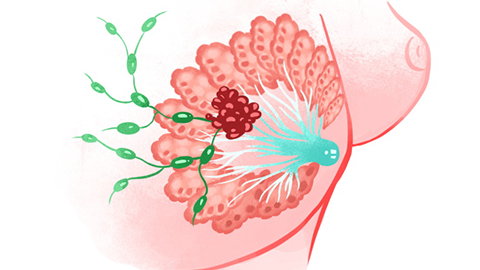
For pathological mammary gland hyperplasia, treatment primarily involves oral administration of traditional Chinese medicine (TCM), alongside lifestyle modifications and dietary adjustments. Patients should avoid stimulants and spicy foods, engage in appropriate physical exercise, and undergo regular breast ultrasound examinations. Additional supportive measures—including local heat application and physical therapy—may also help alleviate symptoms to some extent. Should follow-up imaging reveal rapid progression of hyperplastic lesions or raise suspicion of malignant transformation, prompt, targeted intervention is essential to control disease progression.
With long-term adherence to treatment and close collaboration with healthcare providers, mammary gland hyperplasia can be effectively managed and its progression controlled. We hope this information proves helpful to you!



