


How to manage and regulate mammary gland lobular hyperplasia

In daily life, many women undergoing breast disease screening are diagnosed with lobular hyperplasia. So, how should lobular hyperplasia be managed?
How to Manage Lobular Hyperplasia
Traditional Chinese medicine (TCM) can be used to treat lobular hyperplasia—for example, herbal formulas that soothe the liver and regulate Qi may help alleviate pain. Oral administration of Rupi Sanjie Capsules is one such option. Hormonal therapy may be considered but is generally avoided unless absolutely necessary. However, for premenopausal women experiencing severe pain, targeted treatment may be warranted. Supplemental vitamins—including vitamin B, vitamin C, and vitamin E—can support liver function, modulate hormone metabolism, and improve autonomic nervous system regulation, and thus serve as adjunctive therapy.
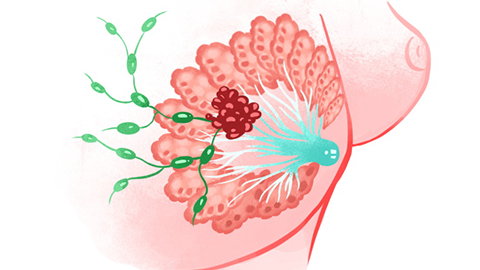
Although the risk of malignancy in lobular hyperplasia remains relatively low, patients undergoing treatment should undergo regular follow-up examinations. Treatment plans should be adjusted according to changes observed in the hyperplastic tissue. If significant enlargement of the hyperplastic tissue occurs—or if the patient develops severe, persistent pain—surgical excision should be performed promptly. The excised tissue must undergo histopathological examination. If malignancy is confirmed, adjuvant radiotherapy and/or chemotherapy may be indicated.

During treatment, patients should adopt healthy lifestyle habits—such as maintaining regular sleep-wake cycles, eating a light and balanced diet, and engaging in appropriate physical activity. Emotional stability is also essential. We hope this information proves helpful!


