


Is the varicella-zoster virus contagious?

People may contract various skin-related viral infections in daily life if they neglect personal hygiene—especially children and elderly individuals, whose immune systems are relatively weaker. One common virus is the varicella-zoster virus (VZV). So, is the varicella-zoster virus contagious?
Is the varicella-zoster virus contagious?
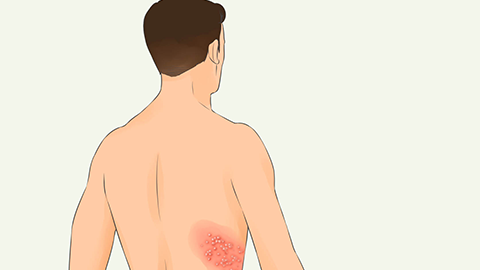
Herpes zoster (shingles) is an acute, infectious skin disease caused by the varicella-zoster virus and is a common communicable disease. Children lacking immunity to this virus will develop chickenpox upon infection; infants under five years of age are particularly susceptible to contracting chickenpox from individuals with herpes zoster. Therefore, patients with herpes zoster must avoid close contact with infants under five to prevent transmission.
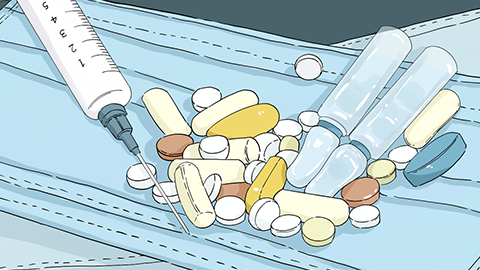
Treatment for herpes zoster aims to eradicate the virus and may include intravenous (IV), intramuscular (IM), and oral medications. IV medications include sodium deoxyribonucleate injection and bozhi polysaccharide injection. IM medications include bacillus Calmette-Guérin (BCG) polysaccharide-peptide injection. Oral medications—prescribed and supervised by a physician—include lentinan tablets, thymopeptin enteric-coated capsules, pidotimod oral solution, or other immunomodulatory agents. Additionally, patients should engage in appropriate physical exercise to enhance immune function. Maintaining adequate rest and sleep is essential; excessive anxiety and stress must be avoided, as these factors can suppress immunity and increase susceptibility to viral infection. Under medical guidance, antiviral medications such as valacyclovir hydrochloride granules, famciclovir tablets, or acyclovir tablets may also be prescribed orally.
Patients are advised to maintain good personal hygiene, wash hands frequently, exercise regularly, and strengthen their body’s natural resistance. We hope this information proves helpful.


