


What Causes Spleen Deficiency?
Aug 01, 2022
Source: Cainiu Health

Dr. He Haochen
Introduction
Spleen deficiency is a diagnostic term in Traditional Chinese Medicine (TCM), classified according to etiology and predominant symptoms. In TCM theory, the spleen’s primary functions include transforming and transporting water and nutrient essences derived from food and drink, governing blood circulation, and regulating the muscles. Spleen dysfunction may arise from external pathogenic factors; however, spleen deficiency specifically refers to a pattern characterized by symptoms such as poor appetite, abdominal distension, loose stools, edema, phlegm accumulation, limb weakness, and pallor.
Spleen deficiency is a common condition. Patients with spleen deficiency may experience abnormal bowel movements, excessive dampness, gynecological inflammation, and a thick, white tongue coating. Spleen deficiency is further categorized into three subtypes: spleen-yang deficiency, spleen-yin deficiency, and spleen-stomach qi deficiency. So, what causes spleen deficiency?
Causes of Spleen Deficiency
“Spleen deficiency” is a diagnostic term in Traditional Chinese Medicine (TCM), classified through pattern differentiation based on etiology and predominant symptoms. According to TCM theory, the spleen’s primary functions include transforming and transporting water and nutrient essences derived from food and drink, governing blood circulation, and regulating muscle function. Spleen dysfunction may arise from external pathogenic factors; spleen deficiency specifically manifests as poor appetite, abdominal distension, loose stools, edema, phlegm accumulation, fatigue and weakness in the limbs, and pallor.
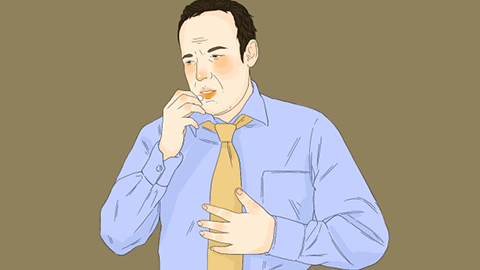
Spleen deficiency may develop from regularly consuming cold or raw foods in daily life. When such cold foods enter the stomach, they severely impair the functional activities of the spleen and stomach. After ingesting cold foods, patients with spleen deficiency may experience nausea, vomiting, abdominal pain, bodily edema, amenorrhea, cold hands and feet, and diarrhea. Under a physician’s guidance, certain herbal medicines may be prescribed to regulate gastrointestinal function. During treatment, patients should follow a light, bland diet—avoiding spicy, stimulating, or greasy foods—and refrain from overeating or irregular eating habits.
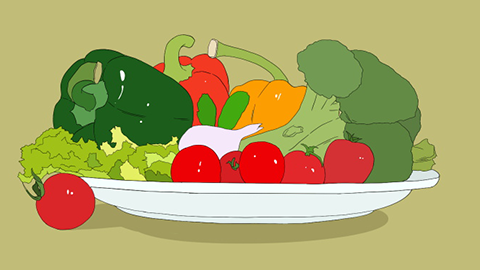
Patients are advised to maintain healthy lifestyle habits, adhere to a light and balanced diet, avoid spicy and stimulating foods, and ensure adequate rest—particularly by avoiding late-night activity. We hope this information proves helpful to you.


