


Top 10 Foods to Avoid for Hypertension

Modern lifestyles—characterized by excessive work and life stress, along with poor sleep and daily routine habits—predispose individuals to numerous endocrine disorders, including hypertension. So, what are the top ten foods that people with hypertension should avoid?
Top Ten Foods to Avoid for Hypertension Patients
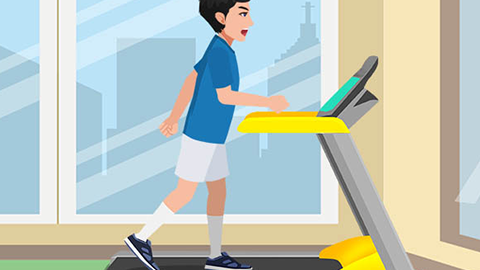
For individuals with hypertension, maintaining a balanced diet is critically important, as lifestyle modification forms the cornerstone of hypertension management. It is recommended that patients minimize consumption of foods high in sugar and salt—such as pickled products, sausages, and bacon—and avoid heavily seasoned or processed foods. Additionally, intake of high-fat foods should be limited as much as possible. Elevated cholesterol levels may also hinder effective blood pressure control. Beyond dietary adjustments, regular moderate physical activity is advised, as it can significantly improve hypertension management.

Hypertension manifests in various forms, including pseudohypertension, obesity-related hypertension, orthostatic hypertension, hypertension associated with sleep disorders, high-altitude hypertension, and gestational hypertension. In pseudohypertension, blood pressure readings obtained via sphygmomanometer are falsely elevated; actual intra-arterial pressure remains within normal limits. Therefore, antihypertensive medications should not be prescribed indiscriminately, as this could adversely affect health. Obesity-related hypertension is directly attributable to excess body weight and is typically mild to moderate in severity.
Patients are advised to consume appropriate amounts of sugar and saline solutions, avoid adverse psychological stressors, ensure adequate sleep, and initiate pharmacological treatment promptly when indicated. We hope this information proves helpful.


