


What Causes Light Menstrual Flow After Childbirth?

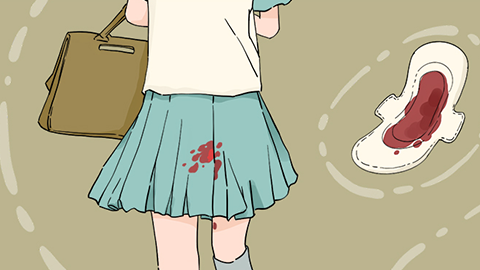
Childbirth typically demands substantial physical exertion from women, and postpartum bleeding is common for a period following delivery. Menstruation may resume with reduced flow, which can also impact women after childbirth. So, what causes scanty menstrual flow after giving birth?
What Causes Scanty Menstrual Flow After Childbirth?
Scanty postpartum menstruation generally warrants evaluation of several factors, including hormonal levels, endometrial condition, breastfeeding effects, anemia, and intrauterine adhesions. Following childbirth, decreased hormone levels—particularly estrogen and progesterone—can directly affect both menstrual volume and cycle regularity. It is advisable to monitor the first one to two menstrual cycles; if flow remains light, a medical consultation and examination are recommended. Suboptimal uterine involution after normal vaginal delivery may lead to thinning of the endometrium, resulting in noticeably reduced menstrual flow. During lactation, elevated prolactin secretion can suppress ovulation and menstruation entirely—or cause only minimal spotting. Women with anemia may also experience diminished menstrual flow. Furthermore, postpartum intrauterine infection or endometrial injury may result in intrauterine adhesions (Asherman’s syndrome), another potential cause of hypomenorrhea.

A temporary observation period of two to three months is reasonable. If menstrual flow remains low, pharmacological intervention to regulate menstruation may be necessary. Low postpartum menstrual volume often reflects transient hormonal imbalance, and most women regain normal menstrual patterns within two to three months. However, persistent hypomenorrhea warrants further investigation—including assessment of endometrial thickness and measurement of the six key sex hormones (FSH, LH, estradiol, progesterone, testosterone, and prolactin). Traditional Chinese Medicine (TCM) evaluation may also be beneficial to determine whether qi deficiency or blood deficiency underlies the condition; if so, treatment should focus on tonifying qi and nourishing blood.
Patients are advised to incorporate foods rich in iron and blood-tonifying nutrients into their diet—such as red dates (jujubes) and animal offal—to support recovery and replenish qi and blood. We hope this information proves helpful.


