


What Causes Nosebleeds During Menstruation?
Aug 01, 2022
Source: Cainiu Health

Dr. Lv Aiming
Introduction
If nasal bleeding occurs during menstruation, the most common cause is damage to the nasal mucosa due to dryness—a coincidental occurrence. Erythromycin ointment can be applied intranasally to reduce local dryness and prevent further epistaxis. However, if epistaxis recurs with every menstrual cycle, the most common underlying cause is endometriosis involving the nasal cavity. During menstruation, shedding of the endometrium leads to vaginal bleeding.
As the human body gradually matures, females begin menstruating after puberty. Proper menstrual care is essential; otherwise, mental health may be significantly affected. For instance, prolonged sleep deprivation or excessive blood loss often causes physical harm. So, what causes nosebleeds during menstruation?
What Causes Nosebleeds During Menstruation?
The most common cause of nosebleeds coinciding with menstruation is damage to the nasal mucosa due to dryness—a coincidental occurrence. Applying erythromycin ointment inside the nostrils can help reduce local dryness and prevent further epistaxis. However, if nosebleeds occur consistently with each menstrual cycle, the most likely underlying cause is endometriosis affecting the nasal cavity. During menstruation, the uterine endometrium sheds, resulting in vaginal bleeding; similarly, ectopic endometrial tissue in the nasal cavity may also bleed. It is recommended to consult an otolaryngologist for further evaluation to determine whether nasal endometriosis is present, followed by appropriate treatment based on the findings.
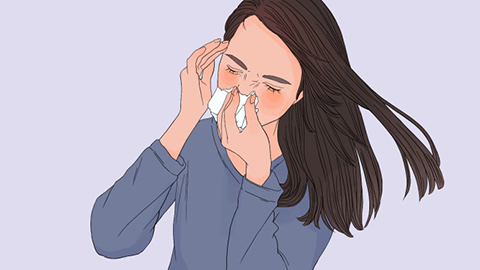
Nosebleeds during menstruation may be associated with environmental factors such as dry air or rhinitis, but they may also indicate endometriosis. Endometriosis is primarily linked to immune and inflammatory mechanisms, genetic predisposition, and coelomic epithelial metaplasia. Typical symptoms include lower abdominal pain, dyspareunia, prolonged menstrual periods, and menorrhagia. A definitive diagnosis can be established via transvaginal color Doppler ultrasound of the uterus and adnexa. Patients should prioritize adequate rest, maintain healthy lifestyle habits, and undergo regular monitoring of coagulation function.
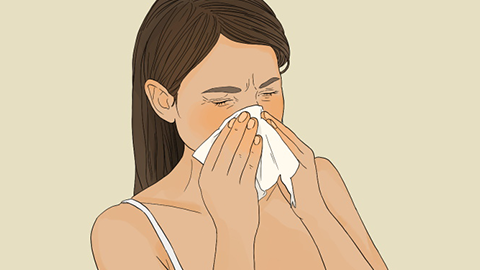
Avoid consuming foods or medications that promote blood circulation or resolve blood stasis, as these may exacerbate epistaxis. We hope this information is helpful to you.



