


Can goose eggs treat hypertension?

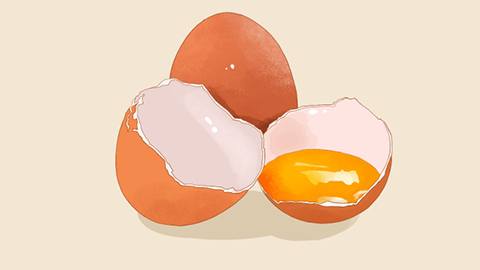
The primary components of goose eggs are ovalbumin (found in the egg white) and phosvitin (found in the yolk). Goose eggs are highly nutritious. But can goose eggs treat hypertension?
Can goose eggs treat hypertension?
Goose eggs may offer some supportive benefit for hypertension, but their therapeutic effect is not significant. Currently, no food has been scientifically proven to definitively treat hypertension. Most cases of hypertension—particularly essential (primary) hypertension—are associated with arterial hardening. Dietary management should therefore emphasize light, low-sodium, low-fat meals.

Goose eggs are rich in minerals and vitamins, making them suitable for consumption by individuals with hypertension. However, eating goose eggs serves only as an adjunctive measure—not a primary treatment—for hypertension. The mainstay of hypertension management remains pharmacotherapy, including calcium channel blockers, diuretics, and other antihypertensive agents. Relying solely on dietary interventions to lower blood pressure is generally inadequate. Patients should select appropriate antihypertensive medications based on their individual clinical profile. For example, young and middle-aged hypertensive patients with elevated heart rate and diastolic pressure typically require initial pharmacological treatment, followed by comprehensive cardiovascular risk management. For hypertensive patients with proteinuria, angiotensin II receptor blockers (ARBs) are generally recommended as first-line therapy.
Hypertensive patients should adopt a rational, balanced diet—maintaining low-salt and low-fat intake, minimizing consumption of high-sodium foods (e.g., pickled vegetables, salted mustard greens), and limiting cholesterol-rich foods such as egg yolks and organ meats. Lifestyle modifications—including regular daily routines, balancing work and rest, engaging in moderate physical exercise, maintaining a healthy weight, and cultivating emotional calmness and positive mental well-being—are vital for effectively preventing blood pressure elevation. We hope this information is helpful to you!


