


Is nail separation from the nail bed a sign of onychomycosis?
Aug 01, 2022
Source: Cainiu Health

Dr. Liu Wan
Introduction
Separation of the nail from the nail bed may indicate onychomycosis (fungal nail infection). It is essential to determine the underlying cause of this condition. Typically, a single disease does not appear suddenly in isolation. Active participation in treatment is crucial. Prolonged exposure of the nails to water may contribute significantly to such problems. Nutritional deficiencies—particularly in protein, calcium, or certain vitamins—may also be contributing factors. You may trim the affected toenail back to the normal nail edge and apply povidone-iodine for disinfection.
Nails are susceptible to various disorders, such as onychomycosis (commonly known as “ringworm of the nail”) and paronychia. Is nail separation from the underlying skin (onycholysis) indicative of onychomycosis?
Is nail separation from the skin a sign of onychomycosis?
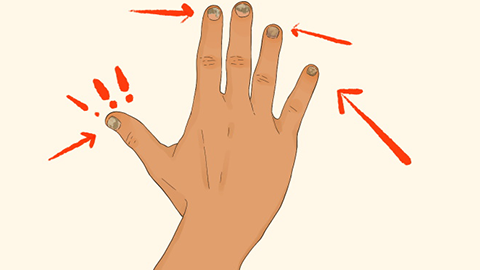
Nail separation may be caused by onychomycosis, but the underlying cause must be identified. Typically, isolated symptoms do not arise suddenly without other contributing factors. Active treatment is essential. Prolonged exposure of nails to water is a common contributing factor. Nutritional deficiencies—particularly in protein, calcium, or certain vitamins—may also play a role. During this period, trim the affected portion of the nail back to the normal nail edge and apply iodine tincture for disinfection. Maintain local hygiene rigorously to minimize infection risk.
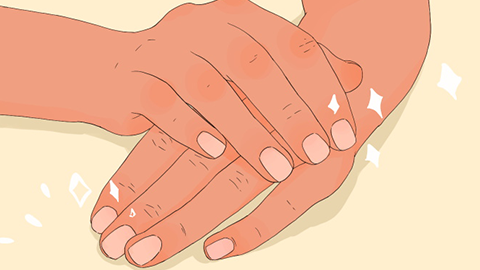
Onychomycosis is highly contagious; early treatment is crucial to prevent spread to other healthy nails. Maintain good foot hygiene daily, and avoid picking or biting nails, which can introduce infection. Onychomycosis is typically caused by fungal and/or bacterial infections; therefore, consultation with a dermatologist at a reputable hospital is strongly recommended for accurate diagnosis and appropriate treatment. Trim excess nail tissue regularly and wash hands thoroughly with soap and water, which helps inhibit fungal growth.
In daily life, ensure adequate rest and follow a light, balanced diet while maintaining regular sleep patterns. Avoid picky eating habits. Consume foods rich in vitamins, protein, and calcium, as well as soy-based products, vegetables, fruits, and foods containing healthy fats and carbohydrates. We hope this information proves helpful!


