


Signs of Worsening Bronchitis in Infants

Patients with bronchitis often have weakened upper respiratory tract immunity, making them prone to common colds; conversely, colds can exacerbate bronchitis. These two conditions frequently overlap, causing significant physical and psychological distress to the patient. So, what are the signs of worsening bronchitis in infants?
Signs of Worsening Bronchitis in Infants
When bronchitis worsens in infants, symptoms may include high fever, hypoxia, dyspnea, and acute respiratory failure. Severe cases may lead to complications such as atelectasis, emphysema, empyema, lung abscess, pericarditis, or sepsis—any of which may be life-threatening. Inadequate treatment of childhood bronchitis may result in chronic suppurative bronchitis, damaging the bronchial wall, causing structural deformation and dilation, destroying bronchial tissue, impairing the airway’s natural defense mechanisms, reducing cough efficiency and mucus clearance, and thereby predisposing the child to further infections.
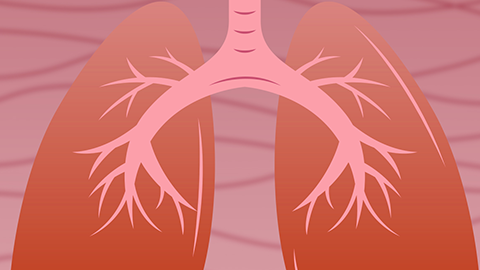
In children with bronchitis, onset is typically abrupt, with early symptoms including cough and sneezing. Within 1–2 days, cough intensifies and may be accompanied by wheezing, pallor, and dyspnea. In addition to these classic respiratory manifestations, systemic symptoms such as fever and fatigue are common; gastrointestinal symptoms—including anorexia, nausea, vomiting, abdominal pain, and diarrhea—may also occur. It is important to ensure adequate fluid intake for the child; antipyretics may be used as needed. Cough suppressants may be administered when necessary, and increased oral hydration is strongly encouraged.
We recommend that affected children drink plenty of fluids and maintain good indoor air quality in both home and work environments. We hope this information proves helpful.


