


Is gastric bleeding in the elderly serious?
Aug 01, 2022
Source: Cainiu Health

Dr. Zhao Haiming
Introduction
Gastrointestinal bleeding in the elderly is a relatively serious condition. While gastrointestinal bleeding in the elderly may present as a seemingly simple symptom, it requires further diagnostic evaluation. Common causes of bleeding include bleeding from gastric ulcers or gastric cancer, esophageal or gastric variceal bleeding in patients with liver disease, and gastric mucosal injury due to ingestion of foreign bodies. Therefore, to determine the severity of the bleeding, additional assessment is necessary.
Gastric bleeding is a relatively common gastrointestinal condition among middle-aged and elderly individuals. For older adults diagnosed with gastric bleeding, selecting an appropriate treatment approach is crucial—after all, their physiological status differs significantly from that of younger individuals. So, how serious is gastric bleeding in the elderly?
How serious is gastric bleeding in the elderly?
Gastric bleeding in the elderly is generally considered serious. While it may initially present as a seemingly simple symptom, further diagnostic evaluation is essential. Common underlying causes include bleeding from gastric ulcers or gastric cancer, esophagogastric variceal bleeding in patients with liver disease, or mucosal injury due to ingestion of foreign bodies. Therefore, assessing the severity of bleeding depends on both its underlying cause and its clinical characteristics—including the nature and volume of blood loss. In cases of massive hemorrhage—especially if accompanied by hematemesis (vomiting blood)—immediate medical attention is imperative. Even in the absence of hematemesis, the presence of melena (black, tarry stools) warrants prompt evaluation; this finding is clinically significant and should not be overlooked. Similarly, frequent or large-volume melena also necessitates urgent medical consultation.

Acute-onset gastric bleeding in the elderly can be managed either medically (e.g., oral medications) or surgically, depending on severity and etiology. Common causes include gastric ulcers, gastric tumors, and—particularly in elderly patients with cirrhosis—esophageal varices. Rupture of these varices can precipitate life-threatening upper gastrointestinal bleeding. Thus, thorough diagnostic investigation is critical before initiating targeted therapy. For instance, in cases of ulcer-related gastric bleeding, treatment should combine hemostatic measures with mucosal-protective agents.
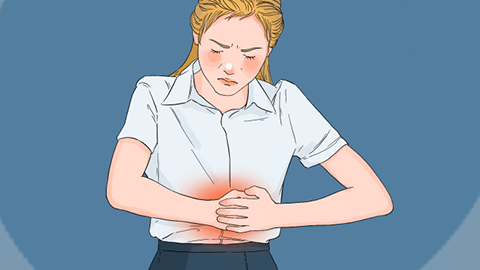
Patients are advised to maintain a light, easily digestible diet and seek timely medical evaluation and treatment upon noticing any symptoms—thereby preventing disease progression. We hope this information has been helpful to you.


