


What Causes Acute Gastritis?

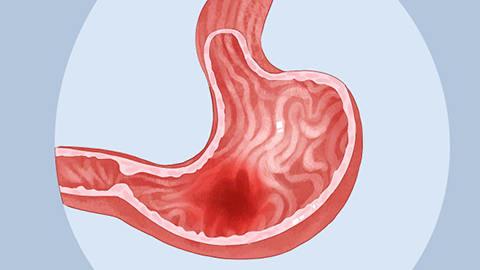
Acute gastritis is a common gastrointestinal disorder with a very high incidence in daily life. It can cause symptoms such as epigastric pain and abdominal distension. When acute gastritis occurs, it significantly impacts the patient’s overall health; therefore, prompt diagnosis and treatment are essential upon onset—delayed management may lead to serious complications. So, what causes acute gastritis?
Causes of Acute Gastritis
The etiology of acute gastritis can be broadly categorized into physical and biological factors. Physical causes primarily include ingestion of excessively cold or hot foods, thermal injury (e.g., scalding), consumption of coarse or abrasive foods, and alcohol-induced irritation of the gastric mucosa—leading to mucosal hyperemia and edema. Biological causes mainly involve infection by pathogenic microorganisms, especially bacteria. Prolonged use of anti-inflammatory drugs or various antibiotics may also damage the gastric mucosa and precipitate gastritis. In cases attributable to biological causes—particularly when Helicobacter pylori infection is confirmed—timely antibiotic therapy is necessary, including targeted eradication of H. pylori.

Treatment for acute gastritis typically involves mucosal protective agents and gastric acid secretion inhibitors. Mucosal protectants are generally administered orally, whereas acid-suppressing medications may be given either orally or intravenously. Intravenous administration is preferred in patients with severe vomiting. If acute gastritis is complicated by upper gastrointestinal bleeding, prompt fluid resuscitation is required. In cases where patients vomit large amounts of coffee-ground material and blood tests reveal significantly low hemoglobin levels, timely blood transfusion is indicated.
Patients are advised to maintain a light, bland diet and seek medical evaluation promptly upon noticing any discomfort to prevent disease progression. We hope this information is helpful to you.


