


How to Relieve Pain from Acute Gastritis
Aug 02, 2022
Source: Cainiu Health

Dr. Zhao Haiming
Introduction
For abdominal pain caused by acute gastritis, the underlying cause of the pain should be addressed first. Bacterial infections require antibiotic treatment; bismuth-containing quadruple therapy can eradicate *Helicobacter pylori* infection–induced gastritis. For acute gastric mucosal injury resulting from improper diet, alcohol consumption, or medication use, rest is advised along with a light, liquid-based diet; fasting for one to two meals may be necessary if required.
Acute gastritis refers to acute, widespread or localized inflammation of the gastric mucosa caused by various internal and external factors. Symptoms and signs of acute gastritis vary depending on the underlying cause—such as acute stress, medications, ischemia, bile reflux, or infection. When acute gastritis occurs, it often causes severe, intolerable gastric pain. So, how can this pain be relieved?
How to Relieve Pain in Acute Gastritis
For abdominal pain caused by acute gastritis, the primary step is to eliminate the underlying cause. Bacterial infections require antibiotic therapy; bismuth-containing quadruple therapy can eradicate Helicobacter pylori-induced gastritis. For acute gastric mucosal injury resulting from improper diet, alcohol consumption, or medication use, patients should rest, consume light, liquid-based meals, and—when necessary—fast for one to two meals. In cases of severe vomiting and diarrhea, attention must be paid to fluid and electrolyte replacement to maintain acid-base balance; acid-suppressing agents and mucosal protectants may also be administered. Patients with pronounced abdominal pain may benefit from antispasmodic medications. Acute simple gastritis is a self-limiting condition with a short disease course; symptoms typically resolve once the causative factor is removed.
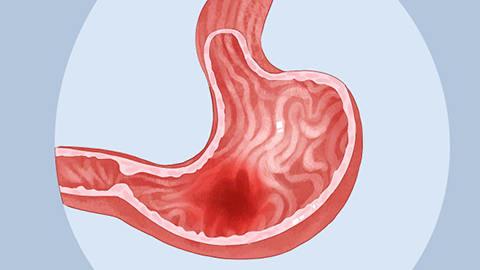
If acute gastritis-related pain develops, all gastric irritants—including medications and certain foods—should be discontinued immediately. Instead, patients should consume bland, easily digestible, and nutritionally rich foods. Drinking ample warm water is also recommended. Smoking and alcohol consumption must be strictly avoided, as should overeating or binge eating. Antispasmodic and analgesic medications may be used for symptomatic relief. Additionally, gentle abdominal heat application and light abdominal massage can help promote intestinal motility.
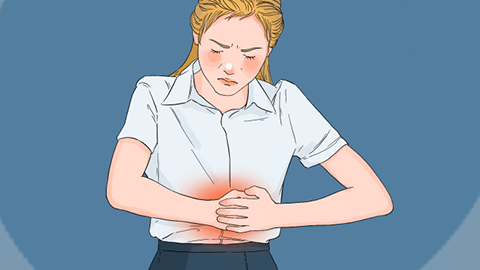
Patients are advised to maintain a bland diet and seek prompt medical evaluation and treatment upon noticing any discomfort, to prevent disease progression. We hope this information proves helpful to you.





