


Is the gestational sac the same as the pregnancy sac?

Couples preparing for pregnancy typically seek information about conception and pregnancy through online resources or books—especially regarding specialized medical terminology encountered after becoming pregnant. A solid understanding of such terms enables timely resolution of issues that may arise during pregnancy. So, is the “gestational sac” the same as the “pregnancy sac”?
Is the Gestational Sac the Same as the Pregnancy Sac?
Yes—the gestational sac and pregnancy sac refer to the same structure: the earliest visible sign of pregnancy, formed when a fertilized egg implants into the uterine lining. By approximately eight weeks of gestation, the embryo has developed sufficiently for distinct anatomical features—such as the head and limbs—to become recognizable. At this stage, ultrasound imaging can clearly visualize the gestational sac, embryonic morphology, and even early fetal movements.
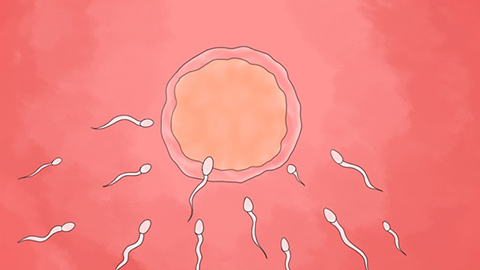
An ectopic pregnancy may also produce a gestational sac; however, due to certain unpredictable factors, the fertilized egg fails to reach the uterus, rendering the pregnancy nonviable. Normally, the gestational sac is located in the fundus, posterior wall, or upper/middle portion of the uterus, appearing round or oval-shaped with well-defined borders. If the sac appears irregularly shaped, poorly delineated, or abnormally positioned—and if the pregnant woman experiences abdominal pain or vaginal bleeding—there is an increased risk of miscarriage.
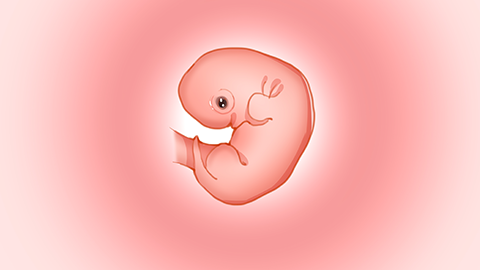
During pregnancy, women should strive to maintain a positive emotional state, engage in appropriate physical activity, and manage stress effectively. Dietary habits are equally important: avoid overeating or binge eating, and ensure balanced, nutritionally adequate meals. Inadequate nutrient intake can adversely affect fetal development. We hope this information proves helpful!


