


What foods should be avoided with urticaria?

Generally, patients with urticaria should avoid certain foods, such as shrimp, beef, chili peppers, Chinese chives, and mangoes. They should also avoid specific medications, including dicloxacillin sodium tablets, sulfadiazine tablets, aspirin tablets, morphine hydrochloride tablets, and cyclophosphamide tablets. A detailed analysis follows:
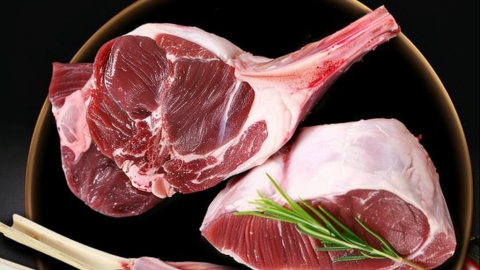
I. Foods
1. Shrimp
Shrimp contains heterologous (foreign) proteins that readily trigger allergic reactions; thus, it is one of the key foods that urticaria patients must avoid.
2. Beef
The high protein or heterologous protein content in beef may increase the risk of allergic reactions; therefore, patients with urticaria should generally avoid consuming it.
3. Chili peppers
Chili peppers are skin irritants and may exacerbate pruritus (itching) and erythema (redness) associated with urticaria, thereby impeding recovery.
4. Chinese chives
Chinese chives can occasionally act as an allergen and provoke urticaria flares. Thus, patients should avoid them during active urticaria episodes.
5. Mangoes
Certain components in mangoes may induce allergic reactions and worsen urticaria symptoms. Therefore, patients with urticaria should exercise caution when selecting fruits and preferably avoid mangoes.
II. Medications
1. Dicloxacillin sodium tablets
Dicloxacillin sodium is a common allergen; its use in urticaria patients may provoke severe allergic reactions.
2. Sulfadiazine tablets
During metabolism, sulfadiazine may generate allergenic metabolites, potentially triggering allergic reactions in patients with urticaria.
3. Aspirin tablets
Aspirin inhibits prostaglandin synthesis, which may dysregulate immune function and hinder effective control of urticaria.
4. Morphine hydrochloride tablets
Morphine hydrochloride may elicit allergic reactions, thereby compromising urticaria management and treatment.
5. Cyclophosphamide tablets
Cyclophosphamide may suppress the immune system, potentially exacerbating urticaria symptoms or causing other adverse effects.
Upon experiencing discomfort, patients with urticaria should promptly consult a dermatologist at a hospital for evaluation and receive targeted pharmacotherapy under medical supervision. Additionally, adopting appropriate dietary modifications and avoiding known food and drug triggers can help reduce the frequency of urticaria flares and alleviate symptom severity.


