


Eczema Treatment
Aug 02, 2022
Source: Cainiu Health

Dr. Liu Wenmin
Introduction
Eczema may be triggered by dry skin, exposure to allergens, excessive mental stress, atopic dermatitis, seborrheic dermatitis, and other factors. It can be improved through measures such as moisturizing the skin, avoiding contact with allergens, managing emotional well-being, and using medications. It is recommended to seek medical attention promptly and undergo treatment under a physician’s guidance. Use mild, gentle moisturizers and apply them to the skin surface.
Eczema may be triggered by dry skin, contact with allergens, excessive psychological stress, atopic dermatitis, seborrheic dermatitis, and other factors. Management strategies include skin moisturization, avoidance of known allergens, emotional regulation, and pharmacological treatment. It is recommended to seek timely medical evaluation and follow professional guidance for appropriate therapy.
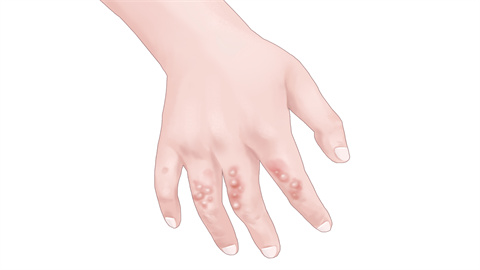
1. Dry skin: Insufficient skin hydration compromises the skin barrier, rendering it more susceptible to external irritants and thereby triggering eczema. This is especially common during autumn and winter when ambient humidity is low and transepidermal water loss accelerates. To counteract this, enhance skin moisturization using gentle, non-irritating emollients. Apply moisturizer immediately after bathing—while the skin is still damp—to help seal in moisture.
2. Contact with allergens: Common everyday substances—including cosmetics, detergents, and metal jewelry—may act as allergens. Direct contact can provoke allergic skin reactions and precipitate eczema. Avoid known allergens whenever possible; switch to mild, hypoallergenic detergents; refrain from wearing metal accessories; and monitor your diet carefully—keeping a food diary to identify and eliminate potential dietary triggers.
3. Excessive psychological stress: Chronic mental tension, anxiety, or depression can dysregulate immune function, impairing cutaneous immune homeostasis and increasing susceptibility to eczema. Practice effective emotional regulation techniques—such as listening to music, engaging in regular physical activity, practicing mindfulness meditation, or talking with friends—to alleviate stress and maintain psychological well-being.
4. Atopic dermatitis: A chronic, inflammatory skin disorder associated with genetic predisposition and allergic sensitization, atopic dermatitis commonly presents with dry, intensely pruritic skin and tends to recur. Its clinical manifestations often overlap with those of eczema. Under physician supervision, topical calcineurin inhibitors (e.g., tacrolimus ointment, pimecrolimus cream) and oral antihistamines (e.g., loratadine tablets) may be prescribed to relieve symptoms.
5. Seborrheic dermatitis: This condition typically affects sebum-rich areas such as the scalp, face, and upper chest. It is linked to *Malassezia* fungal overgrowth and hyperactive sebaceous glands and may manifest with eczema-like eruptions. Treatment options—under medical guidance—include salicylic acid ointment, vitamin B6 tablets, and methylprednisolone tablets to alleviate symptoms.
In daily life, maintain good skin hygiene and adopt a light, balanced diet. Avoid spicy or highly irritating foods—such as garlic, spicy hotpot, and wasabi. Ensure adequate rest and avoid excessive fatigue to safeguard overall health.



