


What Does Asthma Feel Like?

If you wish to understand a disease, the most important step is to understand its underlying causes—only by identifying the specific etiology can targeted prevention and treatment measures be implemented effectively. For example, asthma has a high prevalence in daily life; therefore, identifying its cause is essential before initiating appropriate therapy. But what does asthma actually feel like?
What Does Asthma Feel Like?
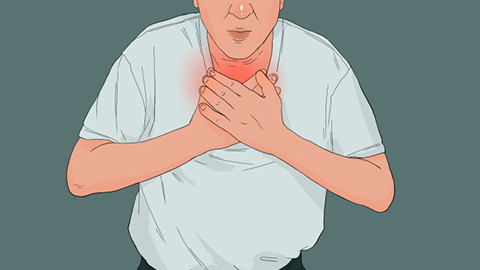
The most common sensations during an asthma attack are chest tightness and shortness of breath. Some individuals experience chronic coughing. Asthma has multiple potential causes, including drug-induced asthma, exercise-induced asthma, and allergic asthma—with allergic asthma accounting for the vast majority of cases. The hallmark symptoms include paroxysmal chest tightness and dyspnea, which may resolve spontaneously. However, a distinct variant—cough-variant asthma—exists. In such cases, patients do not primarily present with chest tightness or dyspnea but rather with persistent, non-productive (dry) cough. Nevertheless, pulmonary function tests—including bronchodilator or bronchial provocation tests—typically yield positive results in these patients, indicating persistent airway hyperresponsiveness; thus, a diagnosis of asthma remains appropriate.

During an acute asthma exacerbation, patients commonly experience dyspnea, shortness of breath, chest tightness, and wheezing—sensations of insufficient air intake, chest constriction, coughing, paroxysmal irritative cough, and dry cough. In severe cases, normal daily activities, work, and studies may be significantly impaired. Therefore, during acute exacerbations, prompt anti-inflammatory and bronchodilator therapy should be initiated. Inhaled corticosteroids via nebulization—under physician guidance—are recommended to reduce airway inflammation. If oxygen saturation declines, supplemental oxygen should be administered. In cases of respiratory failure—manifested by cyanosis of the skin and mucous membranes, headache, dizziness, nausea, or vomiting—mechanical ventilation support should be instituted promptly.
Patients are advised to maintain healthy lifestyle habits and follow a light, bland diet—avoiding raw, cold, spicy, or otherwise irritating foods. We hope this information proves helpful to you.


