


What should I do if I experience severe nausea during early pregnancy?

In daily life, many people consider pregnancy a particularly joyful event—accompanied by special care and family support. In reality, however, the onset of pregnancy triggers dramatic hormonal fluctuations within the body, and physiological adaptation cannot occur instantly. Consequently, many women experience nausea and vomiting during pregnancy. So, what can be done to alleviate severe nausea during early pregnancy?
How to Manage Severe Nausea in Early Pregnancy
During early pregnancy, it is essential to maintain a light, bland diet. Recommended foods include millet porridge, steamed buns, plain toast, or plain bread—avoiding greasy or spicy foods. Incorporate foods rich in vitamin B6 and high-quality, easily digestible proteins, such as fish, lean meat, eggs, milk, soy products, and dairy. Nuts are also beneficial. If pronounced nausea and vomiting prevent oral intake, a urinalysis should be performed to check for ketonuria. Intravenous fluid replacement may be necessary, along with symptomatic treatment to control vomiting.
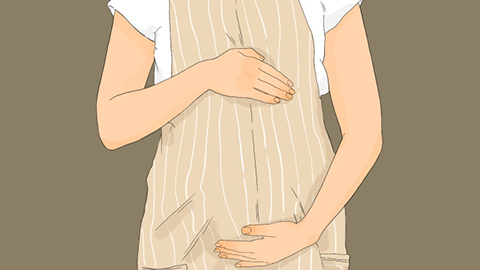
Some pregnant women experience dizziness, nausea, vomiting, lower back pain, frequent urination, and abdominal bloating during early pregnancy—these are normal physiological responses. They result from elevated progesterone levels in early gestation, which induce these physiological reactions. Pregnant women may find relief by sipping ginger tea or placing lemon slices near their bedside to inhale the aroma—both methods are effective for reducing nausea. Additionally, gentle outdoor walks and adequate rest are recommended.
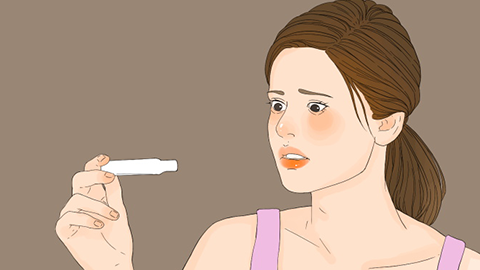
Dietary recommendations include eating small, frequent meals consisting of fresh, easily digestible foods. Avoid fried, pickled, grilled, spicy, or otherwise irritating foods. We hope this information proves helpful.


