


How to relieve nausea and vomiting after drinking alcohol

Many people may not know how to cope when experiencing nausea. In fact, they should first identify the underlying cause and then address it accordingly. Nausea can often be effectively alleviated through everyday dietary adjustments. In most cases, nausea is associated with gastrointestinal disorders and requires prompt medical attention. So, how can one relieve nausea and vomiting after drinking alcohol?
How to Relieve Nausea and Vomiting After Drinking Alcohol
Nausea and vomiting following alcohol consumption can be alleviated by drinking congee (rice porridge) or milk. Once alcohol enters the body, it triggers a series of biochemical reactions. When patients experience nausea after drinking, it is typically due to irritation of the gastric mucosa; consuming small amounts of congee or milk can help soothe this irritation. Additionally, under a physician’s guidance, medications that suppress gastric acid secretion and protect the gastric mucosa may be prescribed to alleviate mucosal irritation. If symptoms persist despite medication, prompt medical consultation is essential.
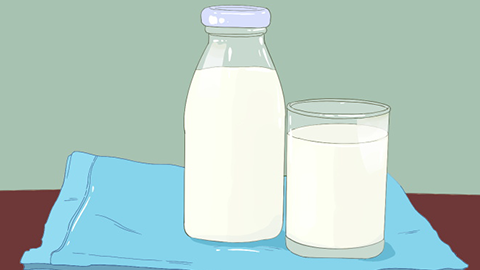
Excessive alcohol consumption significantly increases the risk of cardiovascular disease, gastrointestinal disorders, and neurological conditions. It causes hepatocyte damage, potentially leading to alcoholic cirrhosis, fatty liver disease, and even hepatocellular carcinoma. Alcohol also irritates the gastric mucosa, contributing to gastric ulcers, enteritis, gastrointestinal tumors, and even malignancies. Furthermore, it damages cardiovascular tissues and the pancreas, elevating the incidence of hypertension and cardiovascular diseases—and potentially resulting in severe complications such as stroke and pancreatitis.
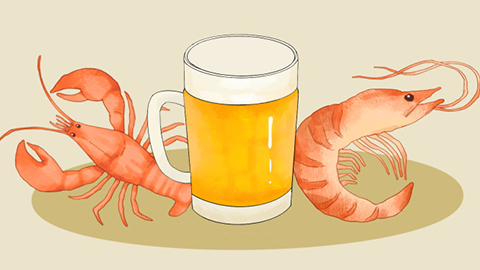
It is recommended that men limit their daily alcohol intake to no more than 25 g, and women to no more than 15 g, avoiding both excessive drinking and chronic alcohol abuse. We hope this information proves helpful to you.


