


How to relieve headache and nausea caused by a cold

Headache is a common symptom in daily life and may result from prolonged sleep deprivation, excessive stress, or underlying conditions such as the common cold, cervical spondylosis, or hypertension. If immediate medical consultation is not feasible, several simple techniques can help alleviate headache symptoms quickly. So, how can one relieve headache and nausea associated with the common cold?
How to Relieve Headache and Nausea Caused by the Common Cold
Headache and nausea due to the common cold can be alleviated using warm compresses over the eyes and targeted massage. When experiencing headache and nausea from a cold, soak a towel in warm water, wring it out until damp (not dripping), and apply it gently over the closed eyes. Alternatively, apply the warm towel over the nose or at the Fengchi acupoint (GB20) located at the base of the skull, just below the occipital bone—this can effectively ease symptoms. Massage is also highly effective for relieving headaches. The primary technique involves massaging along the “Five Elements” meridian pathways on the head—from front to back. Key acupoints for massage include Taiyang (EX-HN5) and Fengchi (GB20); regular stimulation of these points can significantly alleviate cold-related discomfort.
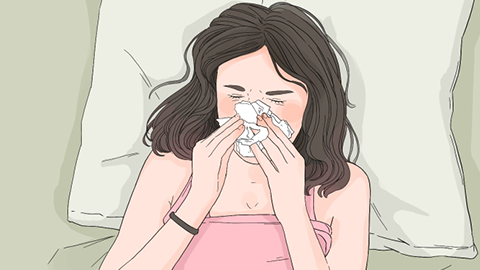
Individuals with the common cold may benefit from incorporating more pineapple into their daily diet. Pineapple not only adds flavor to meals but also helps relieve headache and nausea associated with colds and supports immune function. During a cold—especially when accompanied by fever—the body temperature often rises, accelerating moisture loss through the skin and potentially leading to dehydration. In such cases, adequate fluid intake is essential to sustain normal physiological functions. Drinking ample water also increases urine output, thereby facilitating the indirect elimination of toxins and reducing their harmful effects on the body.
Patients are advised to pay attention to dietary habits: avoid spicy foods, opt for light, easily digestible meals, and increase intake of vegetables and fruits. It is equally important to monitor one’s overall physical condition. We hope this information proves helpful.


