


What Causes Dry Heaving in the Third Trimester of Pregnancy?

In real life, pregnancy significantly impacts women’s health. The vast majority of pregnant women experience various unpleasant symptoms, which can cause considerable disruption to daily life. So, what causes dry heaving in the third trimester?
Causes of Dry Heaving in the Third Trimester
Nausea and vomiting during the third trimester are primarily caused by indigestion. As the fetus and uterus grow larger, they compress surrounding organs, slowing gastrointestinal motility and predisposing to indigestion. Fetal movements may also cause discomfort and trigger nausea. Additionally, excessive hormone secretion can lead to heightened nausea and dysregulation of the endocrine system. These symptoms typically resolve after delivery. However, if a pregnant woman experiences persistent nausea, vomiting, upper abdominal pain, or other discomforts, acute fatty liver of pregnancy should be considered and ruled out promptly.
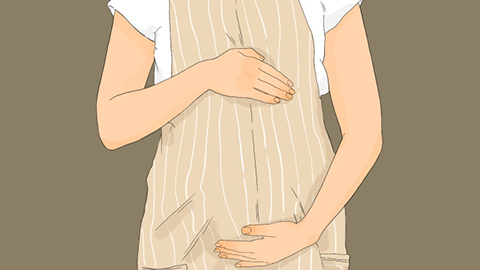
To manage nausea in late pregnancy, dietary adjustments are essential—opt for balanced meals scheduled at regular intervals to reduce the burden on the digestive system. In severe cases, probiotics may be used under medical supervision. During the third trimester, the growing fetus exerts increasing pressure on the stomach, substantially reducing gastric volume. Therefore, eating smaller, more frequent meals—and avoiding overeating or consuming spicy, irritating foods—is recommended. Additionally, taking a gentle walk outdoors after dinner can promote gastrointestinal motility and improve digestion.
Patients are advised to maintain a light, bland diet and seek timely medical evaluation and treatment upon noticing any symptoms, to prevent disease progression. We hope this information is helpful to you.


