


Can tinnitus caused by cervical spondylosis be cured?

Cervical spondylosis is a common spinal disorder associated with osteophyte formation and lumbar disc herniation. Contributing factors include cervical strain, trauma, cold exposure, and poor posture. Cervical spondylosis can cause a wide range of symptoms. Can tinnitus caused by cervical spondylosis be cured?
Can tinnitus caused by cervical spondylosis be cured?
Tinnitus resulting from cervical spondylosis is generally treatable. It commonly occurs in vertebral artery-type and sympathetic-type cervical spondylosis, primarily due to compression of cervical blood vessels or nerves. Patients are advised to actively cooperate with medical treatment. The main underlying causes of tinnitus in cervical spondylosis include degenerative osteophyte formation or altered cervical lordosis—both of which may compress the vertebral-basilar artery, leading to posterior circulation ischemia, or compress the sympathetic nerves, increasing sympathetic excitability and causing sympathetic dysfunction and subsequent tinnitus. When tinnitus arises from cervical spondylosis, patients should prioritize bed rest. Physical therapies—such as cervical traction, acupuncture, and cupping—may be recommended by physicians to alleviate symptoms. If vertebral artery compression is involved, cerebrovascular vasodilators—including vinpocetine tablets and sustained-release vincamine capsules—may be prescribed under medical supervision.
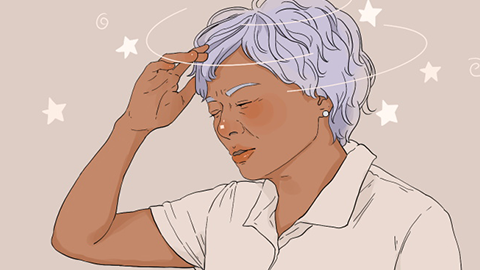
Cervical spondylosis can indeed trigger tinnitus. This condition encompasses several subtypes, including cervical-type, sympathetic-type, and vertebral artery-type cervical spondylosis. Among these, sympathetic-type and vertebral artery-type cervical spondylosis are most frequently associated with tinnitus—typically resulting from compression of the sympathetic nerves or vertebral artery (note: the original text incorrectly refers to “lumbar disc herniation” here; this is likely an error, as lumbar disc herniation does not directly cause cervical-related tinnitus—correction applied for clinical accuracy). In addition to tinnitus, patients may experience headache, dizziness, hearing loss, nausea, vomiting, and hypertension. Notably, vertebral artery-type cervical spondylosis may lead to sudden syncope due to insufficient cerebral blood supply. Therefore, prompt treatment of tinnitus secondary to cervical spondylosis is essential—and maintaining an optimistic outlook on life is equally important.

In daily life, individuals should keep the neck warm and avoid colds or prolonged physical activity. Particularly, extended periods of desk work, prolonged smartphone use with head flexion, and excessive computer use should be avoided. We hope this information proves helpful to you.


