


Treatment of Knee Synovitis
Aug 02, 2022
Source: Cainiu Health

Dr. Lin Yunfei
Introduction
Knee synovitis primarily refers to inflammation of the knee joint synovium triggered by trauma or other irritants, leading to an imbalance in synovial fluid secretion and subsequent fluid accumulation. Its main clinical manifestations include joint pain, swelling, localized warmth, and restricted joint mobility. Treatment typically involves conservative measures—such as limb immobilization—though immobilization should not be prolonged to prevent muscle atrophy and joint stiffness.
As living standards improve, people are increasingly prioritizing recreational activities. Nowadays, many individuals enjoy sports; however, inadequate protective measures can lead to accidents—including synovitis, one such condition. So, how is knee synovitis treated?
Treatment of Knee Synovitis
Synovitis of the knee joint primarily refers to inflammation of the knee’s synovial membrane triggered by trauma or other irritants, resulting in an imbalance of synovial fluid secretion and subsequent fluid accumulation. Key clinical manifestations include joint pain, swelling, localized warmth, and restricted joint mobility. Conservative management is typically the first-line approach—such as immobilization of the affected limb—but prolonged immobilization should be avoided to prevent muscle atrophy and joint stiffness. Functional rehabilitation exercises may be performed under medical supervision; their primary goal is to delay or prevent functional impairment and muscle atrophy secondary to synovitis. Oral nonsteroidal anti-inflammatory drugs (NSAIDs) may also be prescribed. If conservative treatment fails, arthroscopic examination and synovectomy can be performed—effectively resolving synovitis symptoms.
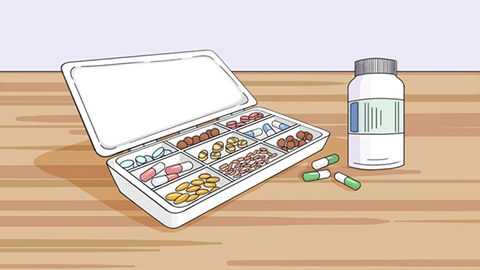
The treatment of synovitis requires accurate identification of its underlying cause. In cases of infectious synovitis, antimicrobial therapy—administered orally or intravenously—should be guided by a physician. Patients with severe or refractory infection may require surgical intervention, including local irrigation of the inflamed area, placement of drainage tubes, and removal of necrotic tissue and bacteria from the affected site. Aseptic synovitis—most commonly caused by degenerative joint changes or sprains—is primarily managed with rest. For patients experiencing severe pain, oral analgesics and anti-inflammatory medications may be prescribed to effectively alleviate local symptoms.
Patients are advised to engage in appropriate physical activity—not remaining sedentary for extended periods—and to prioritize adequate rest and anti-inflammatory care. Any concerning symptoms should prompt timely medical consultation. We hope this information proves helpful to you.




