


How to Choose the Right Intraocular Lens for Cataract Surgery

With the emergence of various electronic devices, eye disorders have become one of the most significant health concerns affecting contemporary populations. Cataracts, in particular, are relatively common. So, how should patients choose the appropriate intraocular lens (IOL) for cataract surgery?
How to Select an Intraocular Lens for Cataract Surgery
Cataract patients may choose either monofocal or multifocal intraocular lenses. Currently, monofocal lenses are most commonly used. These lenses provide excellent distance vision but poor near vision; corrective eyeglasses are typically required postoperatively for reading and other near tasks. Multifocal lenses, designed to provide simultaneous clear vision at multiple distances—distance, intermediate, and near—are another option. Selection should be based on individual ocular anatomy and characteristics; experienced surgeons can better determine suitability for multifocal lens implantation. Following successful implantation, patients often maintain good visual acuity for near, intermediate, and distance tasks. Multifocal lenses may be especially suitable for specific populations—such as highly educated individuals or those with high demands for near vision—or for patients whose ocular anatomy permits their use. This approach may eliminate or reduce dependence on reading glasses after surgery.
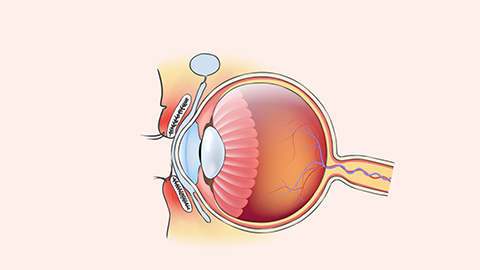
Cataracts most commonly refer to age-related cataracts, which predominantly affect middle-aged and elderly individuals. Incidence rises significantly with advancing age. The primary symptom is progressive visual impairment, correlating with both the degree and location of lens opacification. To date, no pharmacological treatment has demonstrated definitive efficacy in curing or reversing cataracts. In early stages, topical eye drops—such as pirinoline ophthalmic solution—may help slow progression. However, because visual requirements vary widely among individuals, establishing a universal visual acuity threshold to indicate surgical intervention remains challenging. Currently, phacoemulsification combined with intraocular lens implantation is the standard surgical procedure.

Patients are advised to maintain good ocular hygiene, avoid excessive visual strain, and seek prompt medical evaluation for any ocular discomfort or visual changes. We hope this information proves helpful.


