


Is it normal for a 13-year-old girl to have excessive vaginal discharge?

Excessive vaginal discharge (leukorrhea) is the most common clinical symptom in gynecology, referring to an increase in vaginal secretions. Is it normal for a 13-year-old girl to have notably increased vaginal discharge?
At age 13, a child has typically entered puberty, during which vaginal discharge may slightly increase both before and during menstruation. In the absence of other abnormal symptoms, this is generally considered normal. However, markedly increased discharge is often caused by gynecological inflammation—such as vaginitis or vulvitis. Such inflammatory conditions are frequently accompanied by symptoms including vulvar pruritus (itching), a burning sensation, urinary frequency, urgency, or dysuria. It is recommended that she visit a hospital for a vaginal discharge examination. Based on the test results, self-medication should be strictly avoided. Additionally, the child should maintain proper genital hygiene: avoid sharing personal hygiene items with adults, refrain from using public toilets or communal bathtubs, as these practices may lead to cross-infection.
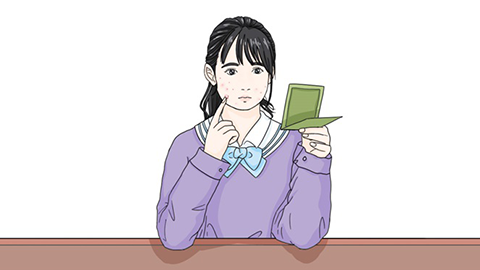
There are three primary causes of increased vaginal discharge. First, physiological leukorrhea: During pregnancy, ovulation, or the premenstrual phase, hormonal fluctuations naturally lead to increased discharge. Second, gynecological inflammation—including endometritis and vaginitis—can cause excessive discharge. Third, certain gynecological diseases—such as cervical cancer, endometrial cancer, or cervical polyps—may also result in increased discharge.
In daily life, it is best to avoid wearing tight-fitting undergarments—especially those made of nylon—and instead opt for loose, breathable cotton underwear. This helps maintain optimal ventilation and heat dissipation in the lower body, thereby minimizing opportunities for bacterial infection. As vaginal discharge increases, special attention should be paid to genital hygiene—particularly external genital cleansing—to ensure cleanliness and dryness of the vulva, prevent pathogen proliferation, and reduce the risk of gynecological inflammation. We hope this information is helpful. Wishing you good health and happiness!


