


What causes frequent nausea and retching?

Every bodily response may signal an underlying health condition. Sometimes, dry heaving is mistakenly attributed to indigestion or consumption of greasy foods. In reality, however, this symptom may stem from dietary factors or physiological abnormalities. So, what causes frequent dry heaving and nausea?
What Causes Frequent Dry Heaving and Nausea?
Dry heaving and nausea are common in daily life. There are numerous potential causes—some involve neural reflexes. For instance, exposure to unpleasant odors, viewing unappetizing food, excessive mental stress or fatigue, or other strong stimuli can readily trigger dry heaving and nausea. Additionally, chronic pharyngitis or irritation of the pharynx by certain foods may also provoke these symptoms. Gastrointestinal and esophageal disorders—including chronic gastritis and gastroesophageal reflux disease (GERD)—can likewise present with dry heaving and nausea. Furthermore, consuming pungent foods such as onions and garlic may induce these symptoms.
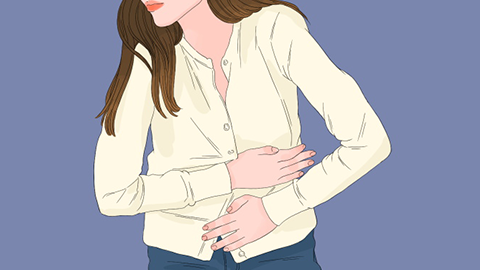
If dry heaving and nausea occur primarily during morning toothbrushing, they are often attributable to chronic pharyngitis, gingivitis, rhinitis, or sinusitis—or possibly gastrointestinal issues. In women of childbearing age with a history of sexual activity, early pregnancy symptoms—including nausea and dry heaving—are common and may indicate pregnancy. When patients frequently experience nausea accompanied by retching and abdominal distension, gastric motility disorder or gastritis-related indigestion is likely. Nausea associated with abdominal pain and diarrhea typically suggests acute gastroenteritis caused by ingestion of contaminated food.
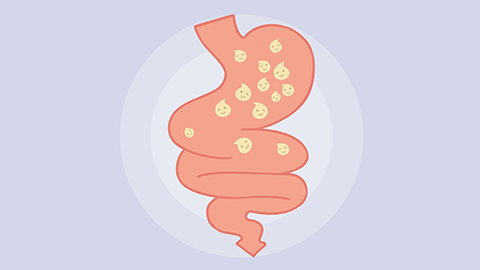
Patients are advised to maintain a balanced diet and avoid spicy or irritating foods. We hope this article has been helpful to you.


