


What causes a persistent feeling of nausea and vomiting?

Nausea and vomiting are common symptoms that reflect underlying disease processes in the body. However, most people typically do not pay special attention to nausea or vomiting unless these symptoms severely impair eating or daily activities. Yet numerous conditions can cause such symptoms. So, what does it mean when someone constantly feels nauseous and has an urge to vomit?
What Causes Persistent Nausea and the Urge to Vomit?
A persistent sensation of nausea and vomiting may be associated with abdominal disorders, such as gastrointestinal obstruction, gastric spasm, cholecystitis, pancreatitis, or hepatic dysfunction. Relevant diagnostic tests should be performed to confirm the underlying cause. Alternatively, chronic nausea and vomiting may stem from neurological conditions—including acute ischemic stroke, intracerebral hemorrhage, increased intracranial pressure, or posterior circulation ischemia. Diagnosis can be supported by a thorough neurological physical examination and imaging studies of the head; patients may also present with accompanying symptoms such as dizziness or motor deficits.
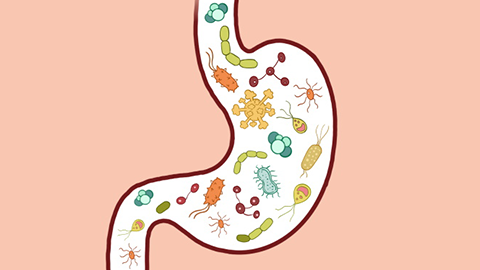
Constant nausea and the urge to vomit may also result from pharyngitis. During active pharyngitis, patients commonly experience nausea, vomiting, dryness or itching of the throat, sore throat, and dysphagia. Therefore, individuals should compare their symptoms with those typical of pharyngitis and consult a physician for appropriate evaluation and diagnosis. Additionally, persistent nausea and vomiting may indicate gastroesophageal reflux disease (GERD), wherein gastric or duodenal contents reflux into the esophagus, triggering these symptoms.

Patients are advised to maintain a balanced diet and avoid spicy or irritating foods. We hope this article proves helpful to you.


