


How long after becoming pregnant does nausea begin?
Aug 02, 2022
Source: Cainiu Health

Dr. Chen Zhe
Introduction
For women with regular menstrual cycles (approximately 28–30 days), early pregnancy symptoms typically appear around six weeks after the last menstrual period—about 42 days from the first day of the last menstrual period. Common symptoms include nausea, vomiting, loss of appetite, fatigue, dizziness, increased tiredness, cravings for sour foods, and aversion to greasy or fatty foods.
After becoming pregnant, a woman’s body gradually undergoes a series of changes, one of which is nausea and vomiting—particularly in the morning—known as “morning sickness,” a common early pregnancy symptom. So, how soon after conception does nausea typically begin?
When Does Nausea Begin During Pregnancy?
For women with regular menstrual cycles (approximately 28–30 days), early pregnancy symptoms—including nausea and vomiting—typically appear around six weeks after the last menstrual period (LMP), i.e., roughly 42 days from the first day of the last period. Common symptoms include nausea, vomiting, loss of appetite, fatigue, dizziness, increased tiredness, cravings for sour foods, and aversion to greasy or fatty foods. Generally, these early pregnancy symptoms are mild. In most cases, they naturally subside by approximately 12 weeks’ gestation and do not significantly interfere with daily activities or work. However, fewer than 1% of pregnant women experience severe nausea and vomiting—so severe that they cannot eat or drink, leading to dehydration, electrolyte imbalances, and even neurological symptoms.
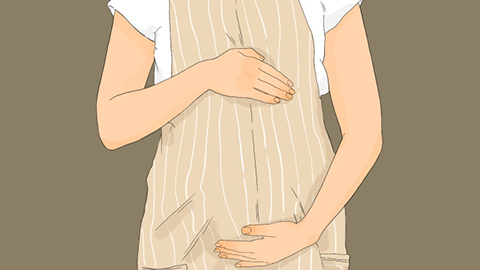
Nausea and vomiting during early pregnancy are usually caused by hormonal fluctuations that affect gastrointestinal function. This is a normal physiological response to pregnancy. If nausea and vomiting occur frequently, symptoms may be alleviated through distraction techniques—for example, engaging in work, reading, or listening to music—to help manage stress and anxiety, thereby easing nausea and vomiting.
Women who have just become pregnant should abstain from sexual intercourse, and maintain good genital hygiene. During the first few months of pregnancy, it is essential to protect the body from significant trauma or impact. We hope this information is helpful to you.


