


What is the normal range for low blood pressure?
Aug 02, 2022
Source: Cainiu Health

Dr. Li Man
Introduction
The normal range for diastolic blood pressure is 60–90 mmHg. Currently, domestic guidelines define the normal diastolic blood pressure range as 60–90 mmHg, which is widely accepted. However, strictly speaking, the normal range should be 60–80 mmHg, with most individuals falling within 70–80 mmHg.
Low blood pressure (hypotension) is less common in clinical practice than high blood pressure (hypertension), yet its health risks are no less serious. Over the years, clinicians have increasingly identified cases of hypotension—indicating that it is posing a growing threat to public health. So, what constitutes the normal range for low blood pressure?
What Is the Normal Range for Low Blood Pressure?
The generally accepted normal diastolic blood pressure range is 60–90 mmHg. In China, this range (60–90 mmHg) is widely recognized as acceptable for diastolic pressure. However, strictly speaking, the optimal normal diastolic range is 60–80 mmHg, with most healthy adults falling between 70–80 mmHg. Thus, it is indeed a spectrum: values within 60–90 mmHg are considered normal and typically require no specific intervention. A diastolic pressure consistently exceeding 90 mmHg is classified as hypertension; conversely, sustained diastolic pressure below 60 mmHg is defined as hypotension.

Hypotension refers to arterial blood pressure in the systemic circulation falling below normal levels. Because hypertension commonly causes damage to vital organs—including the heart, brain, and kidneys—it has attracted widespread clinical attention. The World Health Organization (WHO) has established clear diagnostic criteria for hypertension, but no universally accepted standard exists for diagnosing hypotension. Generally, hypotension in adults is defined as systolic blood pressure below 90 mmHg and/or diastolic blood pressure below 60 mmHg, measured in the upper limb arteries.
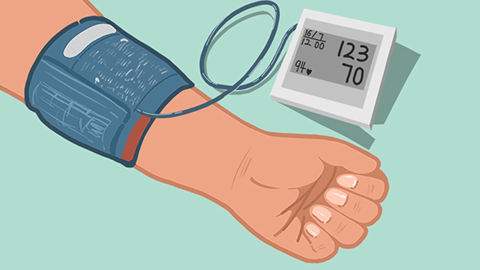
Patients are advised to maintain a light, balanced diet and engage in regular physical activity to improve overall physical fitness. We hope this information proves helpful.


