


How to Get Rid of Acne in Boys

Acne is, in fact, a severe inflammatory response commonly occurring during adolescence. As teenagers undergo physical development, their sebaceous glands become highly active and secrete excessive oil. Due to various factors—including hormonal fluctuations, genetic predisposition, and environmental influences—acne frequently appears on the face, significantly affecting appearance. So, how can boys effectively treat acne?
How Can Boys Treat Acne?
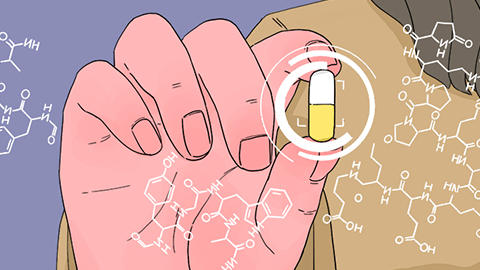
Acne in boys can be managed and resolved through multiple approaches, including topical medications, oral medications, appropriate skincare, physical therapies, dietary and lifestyle modifications, and chemical peels. Topical treatments—such as clindamycin-lidocaine gel, adapalene gel, and benzoyl peroxide lotion—are applied directly to acne lesions. These agents work by normalizing epidermal keratinization, exerting antimicrobial effects, and promoting comedolysis (dissolution of comedones), thereby alleviating acne. In cases of moderate-to-severe acne, oral medications—including acitretin capsules, detoxifying and skin-beautifying capsules, and clarithromycin capsules—may be prescribed.
Adopting good facial cleansing habits—both morning and night—is essential. Avoid using low-quality or irritating cleansers; apply broad-spectrum sunscreen and protective measures (e.g., wind protection) when outdoors; and never apply topical corticosteroid ointments to the face without medical supervision. Inadequate skincare is a common contributor to acne development. Failure to cleanse the face thoroughly each morning and evening allows airborne dust and pollutants—readily adhering to open pores—to accumulate, leading to pore blockage and subsequent acne formation. Additionally, individuals who wear makeup should ensure complete removal before bedtime to prevent residual cosmetic products from clogging pores and triggering breakouts.
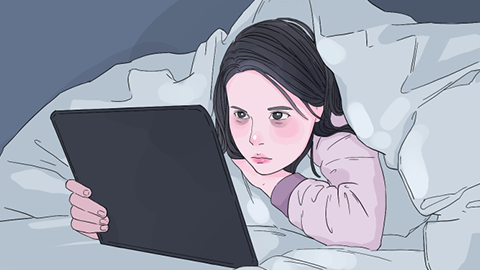
Patients are advised to make lifestyle adjustments, including minimizing psychological stress and anxiety, ensuring adequate rest, avoiding late-night activities, and maintaining sufficient, high-quality sleep. Consumption of strong tea or coffee—stimulating beverages—should also be limited. We hope this information proves helpful.


