


How to eliminate perianal skin tags (piles)
Aug 02, 2022
Source: Cainiu Health

Dr. Cheng Yicheng
Introduction
A hemorrhoidal mass should be understood as prolapse of internal or mixed hemorrhoids. Prolapse is typically a late-stage symptom of internal or mixed hemorrhoids, and most patients experience prolapse following hematochezia (rectal bleeding). In advanced hemorrhoidal disease, the hemorrhoidal tissue enlarges and progressively separates from the underlying muscular layer, causing it to be expelled from the anus during defecation. In mild cases, prolapse occurs only during bowel movements and spontaneously reduces afterward. In severe cases, manual reduction is required; in even more advanced cases, reduction may be difficult or impossible.
Regular consumption of spicy and irritating foods, coupled with severe constipation, can cause varicosities in the veins near the anus. Over time, the walls of the perianal blood vessels become increasingly thin, leading to the gradual development of external hemorrhoids. At this stage, patients may experience not only discomfort such as anal pain, perianal pruritus, and hematochezia (blood in stool), but also visible purple, rounded protrusions—often referred to as “hemorrhoidal masses”—outside the anus. So, how can these hemorrhoidal masses be eliminated?
How to Eliminate Hemorrhoidal Masses
A hemorrhoidal mass typically represents prolapsed internal or mixed hemorrhoids. Prolapse is generally a late-stage manifestation of internal or mixed hemorrhoids, most commonly occurring after episodes of hematochezia. As hemorrhoids progress to advanced stages, their volume increases and they gradually separate from the underlying muscular layer; consequently, they are pushed out of the anus during defecation. In mild cases, prolapse occurs only during bowel movements and spontaneously reduces afterward. In more severe cases, manual reduction is required. In the most advanced cases, even minimal increases in intra-abdominal pressure—such as those induced by coughing or walking—can cause spontaneous prolapse, making spontaneous reduction extremely difficult. Once prolapsed hemorrhoids become visibly apparent as distinct masses, neither oral medications nor topical anorectal preparations can eliminate them.
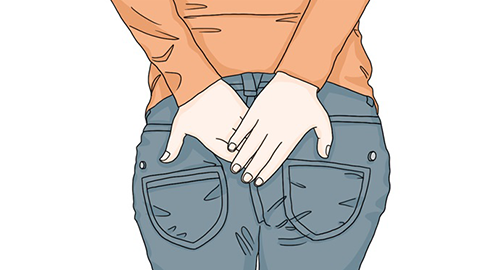
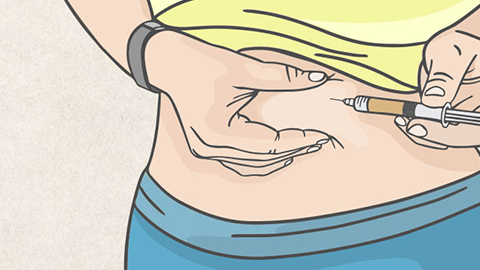
When hemorrhoidal masses develop, multiple treatment options exist, and selection should be based on disease severity. For instance, injection therapy involves injecting either a sclerosing agent or a necrotizing agent into the hemorrhoid. However, due to the high incidence of complications associated with necrotizing agents, sclerosing agents are now widely recommended. Sclerotherapy is particularly suitable for elderly or frail patients, as well as those with severe hypertension or significant comorbidities involving the heart, liver, or kidneys. Nevertheless, this approach is contraindicated in cases of thrombosed, infected, or ulcerated internal hemorrhoids.
Patients are advised to maintain healthy lifestyle habits, adopt a light and bland diet, avoid spicy and irritating foods, and increase intake of fruits and vegetables. We hope this information proves helpful.


