


How to Quickly Eliminate a Gum Abscess

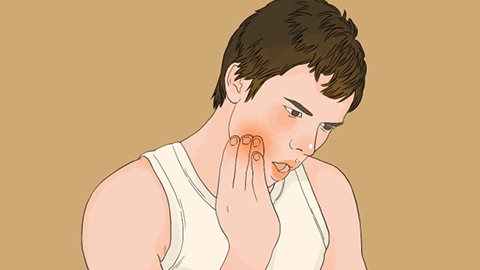
The primary cause of gingival abscesses is typically apical periodontitis. Such abscesses result in the accumulation of pus around the gingiva adjacent to the affected tooth. Because this pus cannot drain naturally from the body, it ultimately collects in the gingival tissues, forming an abscess. Generally, this type of abscess may be asymptomatic—patients often feel no pain—but the damage inflicted on the tooth can be severe, as the inflammatory process eventually invades and destroys the dental pulp, potentially leading to complete tooth destruction. So, how can a gingival abscess be rapidly resolved?
How to Rapidly Resolve a Gingival Abscess
Gingival abscesses fall into two main categories: alveolar abscesses and periodontal abscesses—each arising from distinct infectious sources. Periodontal abscesses usually originate from untreated gingivitis or periodontitis, where infection progresses uncontrollably, resulting in suppurative inflammation. Alveolar abscesses, by contrast, stem from pulpitis or apical periodontitis, causing a suppurative abscess localized at the tooth’s apex. For all inflammatory conditions—especially once suppuration has occurred—the most effective intervention is incision and drainage: surgically opening the abscess to evacuate the pus, followed by thorough debridement of the abscess cavity to expedite resolution of the inflammation.

Naturally, during and after incision and drainage, patients should maintain oral hygiene using antiseptic mouthwash. Additionally, under a physician’s guidance, systemic antibiotics—such as cephalosporins, metronidazole, or tinidazole—may be prescribed to rapidly control the infection and resolve inflammation. Once the acute inflammation has subsided, definitive etiological treatment must follow—either comprehensive periodontal therapy or root canal treatment (pulp therapy), depending on the underlying cause.
Patients are advised to practice diligent oral hygiene in daily life, maintain healthy lifestyle habits, and avoid spicy or irritating foods. We hope this information proves helpful.


