


What Should You Eat to Quickly Reduce Gum Heat (Inflammation)?

During summer, high temperatures and infrequent rainfall make people prone to “excessive internal heat” (a traditional Chinese medicine concept referring to inflammatory or hyperactive conditions). Although “heat-related” disorders are generally not severe, their symptoms—such as irritability, sore throat, or gum inflammation—can be persistent and significantly affect both physical well-being and work performance. After developing excessive internal heat, patients are advised to take mild heat-clearing medications (e.g., low-dose herbal tablets), drink plenty of water, and consume foods with heat-clearing properties to alleviate associated symptoms. So, what foods can most effectively reduce internal heat when gums become inflamed?
What Foods Most Effectively Reduce Internal Heat When Gums Are Inflamed?
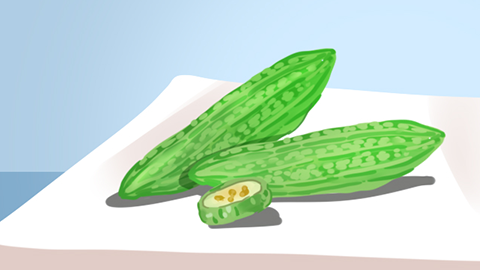
Under a physician’s guidance, patients may take medications such as Sanhuang Tablets, Niuhuang Jiedu Pills, Pu Gong Ying Granules, amoxicillin, or metronidazole. Concurrently, over-the-counter functional mouthwashes can be used for repeated rinsing to help reduce gum inflammation. For gingivitis, consuming foods with heat-clearing and fire-purging properties is beneficial—for example, kiwifruit, watermelon, grapefruit, tomatoes, bitter melon, leafy greens, carrots, and cabbage—which may help relieve gum swelling, pain, and inflammation. Emphasis should be placed on eating light, bland foods while avoiding overly spicy or stimulating items such as chicken soup, pork rib soup, congee, or vegetable dishes seasoned with strong spices. Additionally, increasing intake of vitamin-rich foods can further aid in reducing gum inflammation.
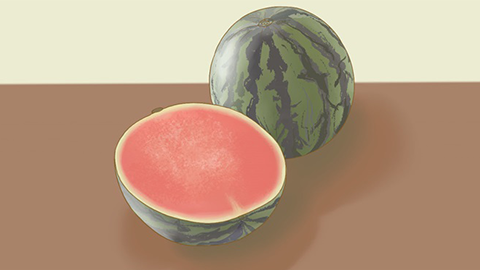
When experiencing gum inflammation due to internal heat, bitter melon—known for its heat-clearing and detoxifying effects—is highly recommended. Watermelon is also effective for clearing heat; pears are similarly suitable—regular consumption helps clear heat and reduce internal fire. Boiling mung bean soup is another excellent option. If gum inflammation occurs, dietary adjustments are essential: avoid spicy foods and abstain from smoking and alcohol. Drink ample water daily and ensure adequate rest. Should symptoms persist beyond several days, prompt medical evaluation at a hospital is advised to identify the underlying cause before initiating targeted treatment—relying solely on dietary measures is insufficient.
Patients are advised to maintain good oral hygiene and healthy lifestyle habits in daily life, and to avoid spicy and irritating foods. We hope this information proves helpful.


