


Is menstruation the shedding of the endometrium?

During menstruation, women’s immune function is weaker than usual, so certain precautions should be taken in daily life. Is menstruation simply the shedding of the endometrium?
Is menstruation the shedding of the endometrium?
Yes, menstruation is the shedding of the endometrium. It results from the ovaries’ cyclical secretion of estrogen and progesterone. Under the influence of these hormones, the endometrium undergoes characteristic changes. Early in the cycle, under estrogen stimulation, the endometrium begins to proliferate gradually. Once it reaches a certain thickness, it transitions into the secretory phase under the influence of progesterone. When progesterone levels subsequently decline, the endometrium sheds—resulting in menstrual bleeding. Therefore, regular menstruation generally indicates normal ovarian function.

Menstrual irregularities suggest abnormal ovarian hormone secretion, which may impair ovulation and potentially affect fertility. In women with regular cycles, menstruation typically occurs every 28–30 days, lasts 3–5 days (not exceeding 7 days), and involves a total blood loss of approximately 30–60 mL. During menstruation, it is important to maintain external genital hygiene, consume warm, nourishing foods, change undergarments frequently, and practice appropriate menstrual care.
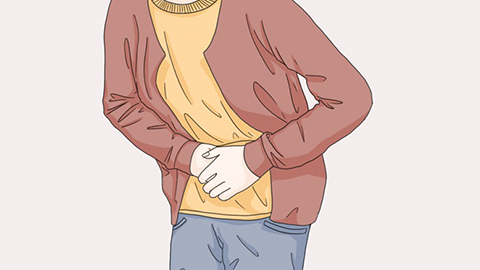
Women must stay warm during menstruation to prevent abdominal pain triggered by cold or wind exposure. Diet should be light and bland; spicy, greasy, and raw/cold foods should be avoided. Adequate rest is essential—women should avoid staying up late or overexerting themselves. Additionally, maintaining a relaxed, positive mood—and avoiding irritability or emotional outbursts—is highly recommended. We hope this information is helpful to you. Wishing you good health and happiness!


