


What Causes Mild Cervical Erosion?
Aug 02, 2022
Source: Cainiu Health

Dr. Lv Aiming
Introduction
Mild cervical ectropion is typically caused by abnormal hormonal levels in the body. Cervical ectropion is primarily a congenital condition or may result from excessive vaginal cleansing, which can disrupt the normal vaginal flora and manifest as cervical ectropion. Additionally, in some women, factors such as unhygienic sexual practices may allow bacteria to enter the vagina, leading to cervical ectropion.
For women, the incidence of mild cervical ectropion (commonly—but inaccurately—referred to as “cervical erosion”) remains relatively high and may exert certain effects on the body. So, what causes mild cervical ectropion?
Causes of Mild Cervical Ectropion
Mild cervical ectropion is typically caused by hormonal imbalances within the body. It may arise from congenital factors or, in some cases, from excessive vaginal cleansing, which disrupts the natural vaginal flora and contributes to the appearance of ectropion. Additionally, poor sexual hygiene in some women can allow bacteria to enter the vagina and trigger cervical ectropion. There are numerous potential causes, but most commonly, chronic cervicitis leads to shedding of the squamous epithelium on the cervical surface, which is then replaced by columnar epithelium.
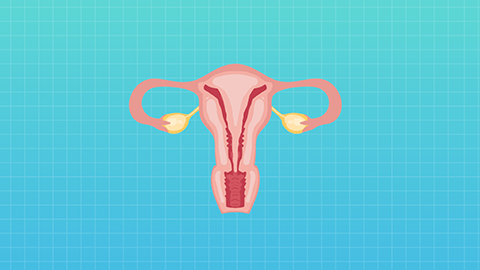
Cervical ectropion refers to the appearance of red, patchy areas on the cervical surface. When such patches cover less than one-third of the total cervical surface area, it is classified as mild cervical ectropion. Importantly, cervical ectropion is a physiological phenomenon—not a disease—and patients need not be overly concerned. If the ectropion is physiologic—driven by hormonal fluctuations—regular follow-up is recommended, but specific treatment is generally unnecessary. However, if it results from underlying conditions such as chronic cervicitis and is accompanied by symptoms like purulent vaginal discharge or foul-smelling discharge, antimicrobial therapy may be warranted. Medications such as ceftriaxone sodium, doxycycline, or azithromycin may be prescribed and have demonstrated clinical efficacy.

Patients should maintain good personal hygiene, avoid unprotected or unhygienic sexual activity, wash the external genitalia daily with warm running water, and wear cotton, breathable, and loose-fitting undergarments. We hope this information has been helpful. Wishing you good health and happiness!


